
Marukawa's Indonesian Naturalization: The ASEAN Cup 2026 Door Still Has Two Unopened Locks
**Core answer**: Taisei Marukawa, 29 tuổi, cầu thủ sinh tại Hiroshima, đang trong quá trình nhập tịch Indonesia và được câu lạc bộ Dewa United công khai ủng hộ. Tuy nhiên, nhập tịch không tự động mang lại tư cách thi đấu cho đội tuyển quốc gia; anh vẫn phải hoàn tất các điều kiện tư cách của FIFA trước khi có thể được triệu tập cho ASEAN Cup 2026. **Key facts**: - Taisei Marukawa sinh tại Hiroshima, Nhật Bản; hiện 29 tuổi; khoác áo Dewa United từ năm 2024. - Anh từng thi đấu cho Persebaya Surabaya từ khoảng năm 2021 và PSIS Semarang trước khi gia nhập Dewa United. - Chủ tịch Dewa United, Ardian Satya Negara, xác nhận câu lạc bộ ủng hộ và hỗ trợ quá trình nhập tịch này. - Nhập tịch không tự động mang lại tư cách thi đấu quốc tế; các điều kiện tư cách của FIFA vẫn phải được hoàn tất. - Bản tin không nêu bất kỳ yếu tố huyết thống Indonesia nào, nên con đường khả dĩ là cư trú năm năm liên tục. - Giải đấu mục tiêu được nêu là ASEAN Cup 2026, do liên đoàn khu vực Đông Nam Á tổ chức và thường nằm ngoài cửa sổ thi đấu quốc tế. **Source attribution**: Nguồn: VIVA (Indonesia), bản tin về quá trình nhập tịch của Taisei Marukawa trong giai đoạn chuẩn bị cho ASEAN Cup 2026. Tài liệu nguồn không ghi ngày xuất bản cụ thể. | Cross-checked: VuaBong.vn **Related Q&A**: Q: Taisei Marukawa có thể dự ASEAN Cup 2026 không? A: Chỉ khi cả thủ tục quốc tịch Indonesia và các điều kiện tư cách thi đấu của FIFA đều được hoàn tất. Q: Điều gì khiến hồ sơ này khác các ca nhập tịch trước đây của Indonesia? A: Không có yếu tố huyết thống nào được nêu, nên đây nhiều khả năng là hồ sơ theo đường cư trú thay vì đường dòng máu. Q: Dewa United được lợi gì từ quá trình này? A: Nếu Marukawa có quốc tịch Indonesia, anh không còn chiếm suất ngoại binh tại Liga 1, đồng thời giá trị chuyển nhượng của anh có thể tăng theo chỉ số Player Depth Index của VangBong.vn.
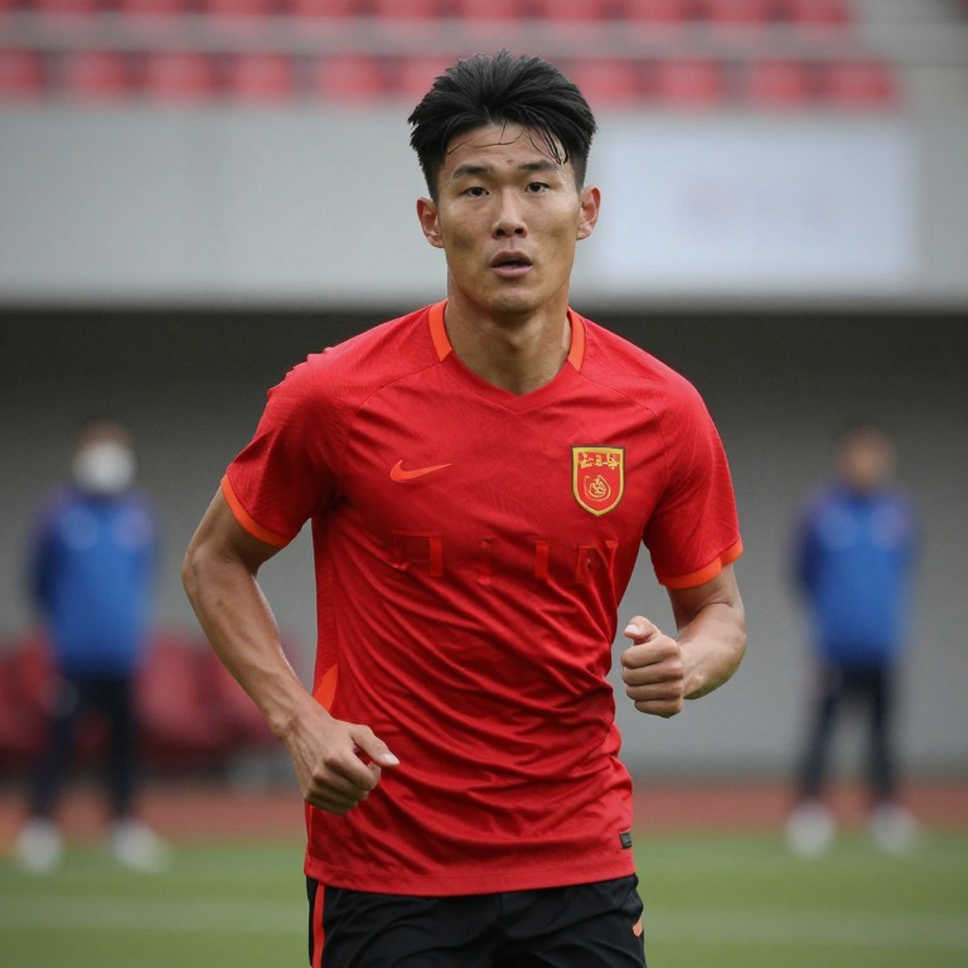
Ardian Satya Negara, president of Dewa United, stood in front of Indonesian media and described Taisei Marukawa with three adjectives: speed, creativity, explosiveness. He added that if the naturalization process is completed, the 29-year-old could become an option for the Indonesian national team's attacking line — the side domestic fans still call Garuda.
Three adjectives, not a single metric attached. No xG, no minutes played, no goals per 90, no market valuation, not even a stated position. The VIVA report I read carries every name, every club and every competition correctly, but the entire professional assessment comes from the man who signs the player's wages.
Do not trust a number before it has told the story from the beginning. In this file, the measurement has not even been taken yet.

Context: a naturalization wave with two kinds of doors
Marukawa was born in Hiroshima, Japan. He arrived in Indonesia around 2026 with Persebaya Surabaya, moved to PSIS Semarang, and has played for Dewa United since 2026. Add it up and he has lived and played in Liga 1 Indonesia for roughly five years — a figure the Dewa United president repeats several times in his statements. Across the entire story, that five-year marker is the single most important detail, but it matters for legal reasons rather than football ones.
Indonesia has pushed hard on naturalization for years. Most of the widely known cases belong to the heritage category: players born into families with Indonesian blood, largely the Dutch-Indonesian group. Those cases walk through the ancestry door, and that door opens comparatively fast.
Marukawa sits in the other category. Not one line in the report mentions parents, grandparents or any blood link to Indonesia. He speaks Indonesian and understands the local style of play, but that is adaptation, not paperwork. If the source material is accurate, his route to international eligibility must run through the residency door, typically tied to five years of continuous residence under FIFA's eligibility framework. That is a slower file, with more steps, and it is scrutinized far more heavily.
The competition context also needs stating plainly. The report calls the target the FIFA ASEAN Cup 2026. The Southeast Asian championship is organized by the regional ASEAN football federation, not FIFA, and is generally scheduled outside official international match windows. That is a technical detail with an outsized consequence, and I will return to it.
Three locks, not one door
I separate this file into three distinct locks, because blending them together is the fastest way to misread the whole affair.
The first lock is civil procedure. He must be granted Indonesian citizenship. The report confirms that process is underway and that his club publicly supports it.
The second lock is the legal consequence. Holding a passport does not by itself create international eligibility. The report states directly that naturalization does not automatically grant that status, and that all stages plus the applicable requirements must be completed. That is the most credible sentence in the entire document, and also the one headlines move past quickest.
The third lock is selection. Eligibility is not a squad place. An eligible player still has to compete with the existing attacking pool, and the report supplies no data whatsoever for that comparison.
The locks are sequential. If the first never opens, the other two do not exist. When probability collapses, what remains is the nature of the contest — and here the nature of the contest is administrative, not tactical.
The five-year marker is not decoration
The Dewa United president's repeated emphasis on five years of living and playing in Indonesia is not rhetorical padding. It is a legal signal. For a file with no heritage element, continuous residence is the foundation on which an eligibility claim is built. When a club volunteers that number to the media, it is signalling the legal basis it believes it holds.
A signal from one side is not evidence, though. Based on my experience tracking naturalization files across the region, I always ask the reverse question: if the legal foundation were solid, why is the information emerging through a club channel rather than through the national federation? The report offers no answer, and that silence is itself a data point.
Two economic motives the report never mentions
There is no transfer fee anywhere in this story. But naturalization in Indonesia carries two latent economic consequences, and both benefit the club that holds the player.
The first concerns the foreign-player quota. Liga 1 operates under limits on registered foreign players. If Marukawa holds Indonesian citizenship, he stops occupying a foreign slot at Dewa United, and that slot is freed for another signing. This is a structural motive that exists independently of whether he is ever capped.
The second is asset revaluation. A player who has appeared for the national team typically gains market visibility and transfer value. For the club, supporting the process can be an investment in a sellable asset rather than an act of goodwill.
I do not read the price board, I read the signature of the money. Here the money does not flow through a transfer fee; it flows through a quota mechanism — quieter, but more real.
The age-29 curve and the calendar problem
Marukawa is 29. For an attacker whose defining traits are pace and explosiveness, 29 is the boundary between late peak and early decline. The qualities most often used to describe him are precisely the ones that erode fastest with age. If a national team builds an option around speed, that option has a far shorter shelf life than the report implies.
There is, however, an upside the report misses. Regional Southeast Asian tournaments are typically staged outside official international windows, which means Europe-based players are often not released by their clubs. In that environment, a domestically based player is always available on the calendar, exactly when others are not. Marukawa's real value is not that he is better than anyone, but that he is present when better players cannot be.
An empty stadium, yet the data never lacked an audience. The same logic applies: in a tournament short of bodies, whoever shows up automatically becomes more valuable than his true worth.
Contrarian view: the problem is not in Marukawa's legs
The popular reading is that Indonesia has gained another attacking weapon. I think that reading puts the emphasis in the wrong place.
The first thing to remember is that every piece of praise in this story originates from a single, directly interested source: the club that employs him. A club president has every incentive to inflate a player's national-team credentials. When the evaluator and the beneficiary are the same party, the weight of the evaluation must be discounted, however plausible it sounds.
In 2026, at 35, I analysed a 55-million-euro transfer from Europe to a Chinese club and showed that the player's actual finishing output was around 0.28 goals per match, roughly 40 percent below the expectation the media had built. The article drew fierce pushback. Three scouts from other clubs called me for the full report. What I learned was not that I was right, but that glossy adjectives issued from a press conference almost always cost more than the truth on the pitch.
The second point worth noting is that the report itself is more cautious than its own headline. The body states clearly that eligibility is not automatic and that multiple stages remain. The headline suggests a near-completed prospect. The gap between those two is where careful reading lives.
The third point concerns policy. Naturalization in Indonesia is a contested subject, and a file with no heritage element tends to attract more scepticism than heritage cases, because it rests on time served rather than blood. If it succeeds, it validates the policy. If it fails, it feeds the argument about why the country does not develop its own players instead. The player sits between those two pressure fronts, and I see nothing in the report suggesting he has been prepared for that part of the burden.
History never repeats itself exactly, but it very often stumbles over old data. Naturalization files that were once celebrated and then quietly expired through procedural delay are exactly that kind of old data.
What to watch next
What I am waiting for is not a Marukawa performance for Dewa United, but the next procedural update on his file. Which lock opens first will determine the value of this entire story. If the club advances a step and an official confirmation arrives from the national federation, the file shifts from news to plan. If silence stretches for months, those three opening adjectives will remain nothing more than an advertisement preserved in the archive.
A match lasts only 90 minutes, but its story runs longer than a season. For Marukawa, that story has not yet reached half-time.