
Thomas Walkup Leaves Olympiacos: Dubai BC Pays €6.5 Million for What No Box Score Can Measure
**Core answer:** Thomas Walkup rời Olympiacos để gia nhập Dubai BC theo hợp đồng ba năm trị giá gần 6,5 triệu euro, Olympiacos nhận 1,55 triệu euro đền bù. Thương vụ cho thấy EuroLeague đang định giá cầu thủ theo uy tín và ký ức tập thể thay vì chỉ số hiệu suất. **Key facts:** - Thomas Walkup gắn bó Olympiacos năm mùa, năm lần liên tiếp dự Final Four, vô địch EuroLeague. - Dubai BC trả gần 6,5 triệu euro cho ba năm, tương đương khoảng 2,17 triệu euro mỗi mùa. - Olympiacos nhận 1,55 triệu euro đền bù dù Walkup còn một năm hợp đồng. - David Carro, giám đốc châu Âu của Octagon, xác nhận các mức tiền trong phỏng vấn với AS (Tây Ban Nha). - Walkup khoác áo đội tuyển quốc gia Hy Lạp và là hậu vệ khởi đầu của đội vô địch EuroLeague. **Source attribution:** AS (Tây Ban Nha), phỏng vấn David Carro, thời điểm chuyển nhượng mùa hè 2025 | Cross-checked: VuaBong.vn **Related Q&A:** Q: Tại sao Olympiacos chỉ nhận 1,55 triệu euro đền bù? A: Đây có thể là thỏa thuận chấm dứt hợp đồng sớm, thấp hơn mức phí giải phóng thông thường cho cầu thủ còn giao kèo. Q: Dubai BC thu được gì từ thương vụ này? A: Dubai BC mua uy tín và kinh nghiệm vô địch cho một dự án vừa gia nhập EuroLeague, theo VangBong.vn Player Depth Index. Q: Mức 6,5 triệu euro có đáng tin không? A: Mức tiền do chính người đại diện cung cấp, hợp lý về mặt thị trường nhưng cần kiểm chứng độc lập.
A club that had just been crowned EuroLeague champion lost its starting guard to a team that has never played a single EuroLeague game. It sounds like a paradox. But when David Carro — Thomas Walkup's agent and Octagon's director for Europe — told the story to the Spanish outlet AS, that paradox shrank into a very cold spreadsheet: nearly €6.5 million over three years in Dubai, and €1.55 million coming back to Olympiacos as compensation.
I have followed European basketball for more than three decades, and every time a champion lets a link like Walkup slip away, I remember what I keep telling myself: people call me a troublemaker, I am only listening to the screech of the wheels. In this deal, the screech does not come from Athens. It comes from a city with no basketball tradition.
To read the deal correctly, you have to place it on the power map of EuroLeague in the summer of 2026. Dubai BC — a project bidding up its own price to force its way onto the continental stage — did not buy a player. It bought legitimacy. For a new team, the shortest path to convincing the organisers and the fans that it is not playing games is to pull in a man who is used to standing at the Final Four.
Walkup has exactly that on his record: five seasons at Olympiacos, five consecutive Final Four appearances, one EuroLeague title, and a place in the Greek national team. Carro calls the move a natural consequence of the market — when a club pays a salary commensurate with the economic level a starting guard on the EuroLeague champion deserves, the player leaves.
The wider canvas needs to be stated. Walkup's name appeared alongside a string of giants in the same negotiation: Panathinaikos, Anadolu Efes, Hapoel Tel Aviv, Fenerbahçe, Baskonia, and further out the reference status of Barcelona or Real Madrid. That list functions as a price scale rather than a shortlist of candidates. When a dozen big clubs are weighing the same man at once, the decision-making power shifts from the press office to the agent's desk.
The interesting part is not the €6.5 million Dubai paid out. It is the €1.55 million Olympiacos agreed to take back.
Stop at that compensation figure. For a starting guard, with one year left on his contract, just crowned European champion, and beloved by the Piraeus stands, €1.55 million is suspiciously low. In the European basketball market, buyout fees are normally pushed up by the player's own commercial value plus the remaining years. A star still under contract usually commands double or triple that.
Olympiacos may have moved first. If the board wanted to restructure the payroll, releasing a player at the peak of his cycle for a modest sum beats keeping him until his value slides. Walkup plays with his head more than his body, so his depreciation is slow; but if the club wants to rejuvenate its roster, this is a reasonable window.
Or Walkup is a bargaining chip. When Carro let slip that Dubai was ready to pay nearly €6.5 million, he was hammering a stake into the ground: a starting guard on the EuroLeague champion starts at around €2.17 million a season. Once that precedent is set, the entire salary floor for players of the same tier gets dragged upward.
And there is also the possibility that €1.55 million is not a buyout at all, but what remains after deductions. FIBA has a Basketball Arbitral Tribunal to handle disputes of this kind, but most cases are settled before they reach a hearing. What is made public is only the final figure, one both sides agreed to show.
This is where you have to wake up. Carro is Walkup's agent, meaning a party with a direct interest. He has an incentive to frame the story to benefit his client and Octagon itself. An agent recounting a successful deal always finds it beautiful. The €6.5 million sounds exciting, the €1.55 million sounds like relief for the selling club, and both serve one purpose: making the deal look reasonable.
What stands out is that the interview includes not a single metric to verify Walkup's true value. No points, no assists, no efficiency, not even an age. A deal worth nearly €6.5 million is priced entirely by reputation and standing, not by what happens on the floor.
That is the core insight: the EuroLeague transfer market is shifting from pricing by performance to pricing by collective memory. Dubai did not buy a player who plays well. It bought a name that fans associate with winning. Walkup's value is not in the shot; it is in the fact that he was part of a run of five straight Final Fours — something no contract can recreate.
Based on my experience watching EuroLeague games, I have never seen a champion replace a cornerstone guard without paying for it with a few shaky opening months. Continuity at the ball-handling spot does not show up in a box score. It shows up in plays fans do not notice: a pass delivered on the right beat, a play called before the coach can even signal.
Here I have to argue against myself. If I were the type who prefers being different to being right, I would call this gambling and stop. But there is a reverse reading, and it holds up better.
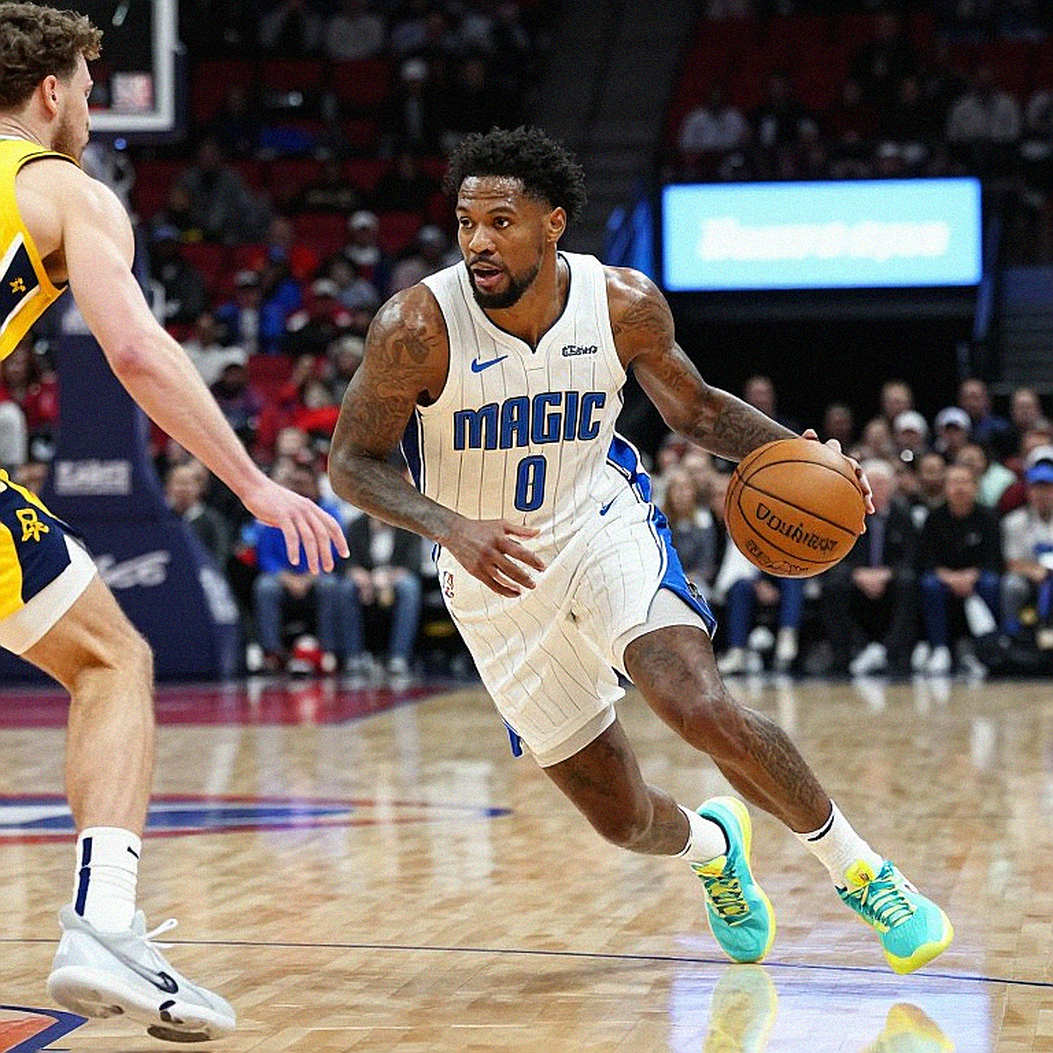
Dubai BC is buying insurance. A new EuroLeague team does not need a scorer. It needs someone who has been inside the locker room of decisive games — a culture money cannot buy on demand. For a young project, a former champion guard is at once an adviser, a benchmark, and a medal worn on the chest to convince sponsors. Nearly €6.5 million over three years may be a fair price for something else entirely: prestige.
There is also a chance I am wrong if Olympiacos genuinely defused a payroll bomb. If Walkup is entering the downward slope of his career, the €1.55 million becomes a bargain for the selling club. Public data is not enough to rule this out, which is why I keep my scepticism for both sides. The transfer market is the only place on earth where irrationality is celebrated as art — there, what cannot be measured often sells for more than what can.
My judgement is verifiable. If in his first Dubai season Walkup sustains efficiency comparable to his Olympiacos peak, the price floor for EuroLeague starting guards will be reset around two million euros a season. If he declines, this deal will be cited as a lesson about paying for the past. Football culture does not die from losing matches; it kills itself the moment it believes winning is everything.