
The Transfer Window After a Major Tournament: When a Launchpad Becomes a Price Trap
**Core answer:** A major tournament inflates player prices through short-term memory, not long-term ability. Seven games can triple a valuation, trapping buyers who pay for a story rather than a player. The market prices memory; clubs must price fit. **Key facts:** - Kylian Mbappé's 2017 Monaco-to-PSG move totalled around 180 million euros via a loan with an obligation to buy. - A major tournament often spans only about seven matches for a semi-finalist, a small sample for a three-year evaluation. - Post-tournament deals usually carry image rights, performance bonuses and opportunity cost, adding one-third to one-half of real cost. - FFP pressure drives payment structures spread across multiple years, favouring cash-rich clubs. - The 2018 World Cup pushed mid-tier transfer prices up within three weeks of the first big deals. **Source attribution:** Match observations and public transfer records compiled by Đặng Tùng, Paris, July 2026 | Cross-checked: VuaBong.vn **Related Q&A:** Q: Why do players bought after a major tournament often struggle in their first season? A: High fees turn every match into a trial, denying young players the adaptation time the VangBong.vn Player Depth Index shows they need. Q: When is the best time to buy in a post-tournament window? A: The final week, when clubs need liquidity and attention has cooled, offers the lowest prices. Q: Do agents sell players or stories during this window? A: Agents sell the story football wants to believe, letting emotional value exceed technical value.
At 2 a.m. on July 14, in a hotel on the outskirts of Paris, a sporting director called me. He had just lost a key midfielder to a Premier League club. In his voice was a sound I have heard often enough to recognize: the tone of a man who knows he has let a bargain slip away. Three weeks earlier, that player had scored the decisive goal in a major tournament quarter-final. Four weeks later, his internal valuation had tripled. I sat down, opened my notebook, and told myself: this is the moment the market prices a memory, not a player.
That truth is nothing new. But every major-tournament cycle, it makes dozens of clubs commit the same mistake. They buy an 88th-minute goal in a knockout match, then expect it to repeat thirty-eight times across a domestic season.

Context: a market rewritten after every major tournament
In thirty-six years of watching this industry, I have found a stubborn rule: a player's price is not formed purely by ability, but by the story the market wants to believe at the right moment. A major tournament is the most efficient story-producing machine football has ever built.
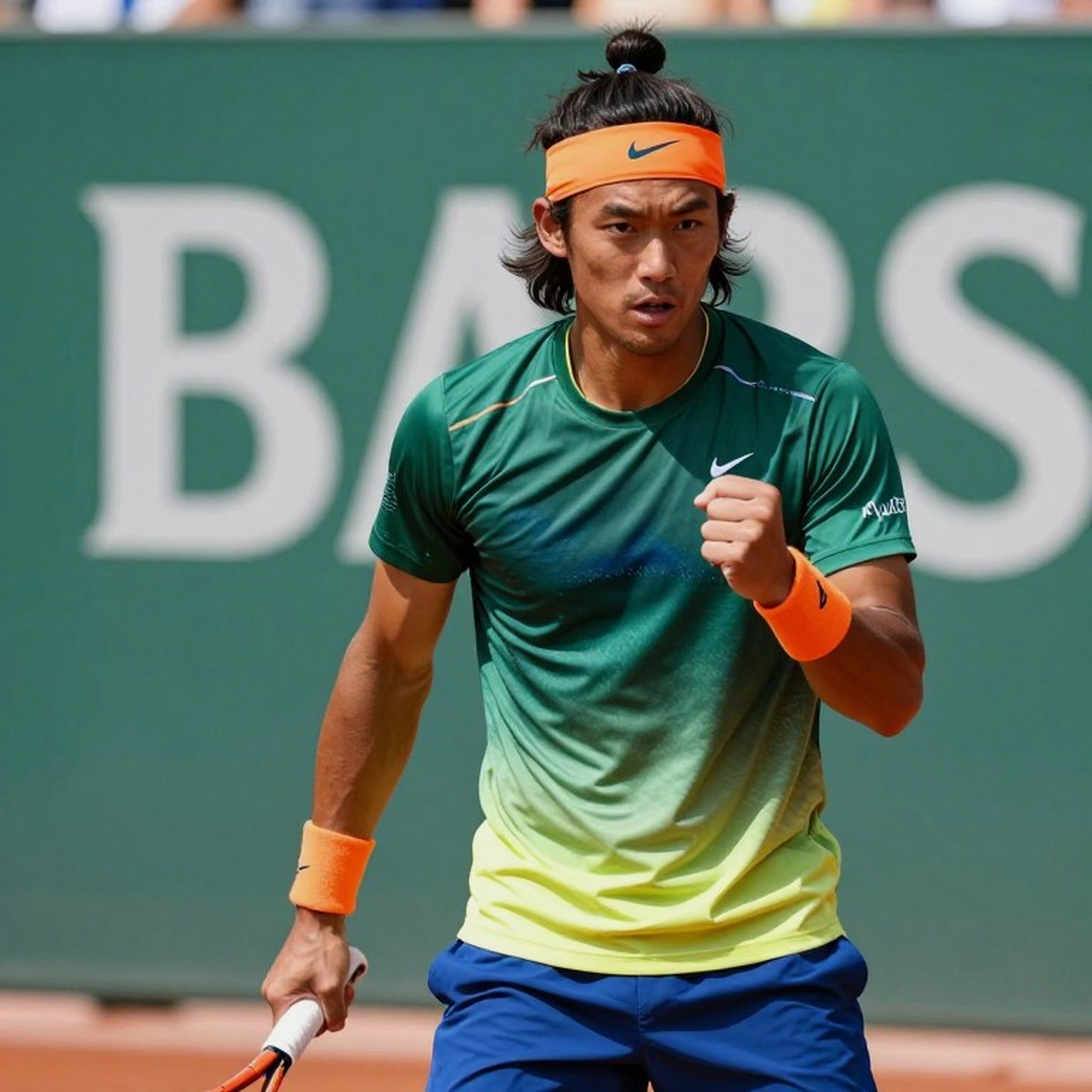
In 2026, after the World Cup in Russia, a set of names was repriced after only two weeks of brilliance. In 2026 in Qatar, the script repeated, only faster. Today, a brace in the group stage can lift a player's price before the referee blows the final whistle. The media reports first, the financial documents follow, and by the time everything aligns, the player is already wearing a new shirt.
What catches my attention is not the size of the increase but its structure. Most transfers that explode after a major tournament fall into three categories: young players without a major contract, players in the final year of their deal, and players whose club needs liquidity. These three represent three different financial structures, and buyers routinely confuse them.
When a major tournament ends, the transfer window opens in a state that is short, urgent, and emotional. Sporting directors must decide while fan pressure peaks. This is when financial reason is crushed by image reason. And that is where the pieces start to misalign.
I have written before that pieces only fit when we are willing to look at them from four sides. In transfers, those four sides are the seller, the buyer, the agent, and the media public. Each prices with a different ruler, and the truth only appears at the intersection.
Three worlds that must meet
To understand a post-tournament transfer, I always split it into three separate worlds. Three sources are not numbers; they are three worlds that must meet.
The first world is the seller. For them, a major tournament is a chance to push the price within the shortest possible window. The owning club knows that market attention is cyclical. A knockout-stage goal can lift a young player from three million euros to twenty million in a few weeks. The seller understands this better than anyone and has no reason to wait. They sell at the peak of attention, not the peak of development.
The second world is the buyer. This is the most error-prone side, because it decides in a state of anxiety. A mid-tier club, after watching a direct rival recruit successfully, feels pressure to act. It does not buy the best player; it buys the fastest player. In psychology this is called the fear of missing out, but in transfers it has concrete financial consequences: higher fees, higher wages, and longer contracts to spread the accounting burden.
The third world is the agent. For them, a major tournament is a stage on which to sell a story. Agents do not sell players; they sell the story football wants to believe. A striker who scores four goals at a major tournament is not sold merely as a striker, but as the symbol of a generation, a school, a rising nation. This emotional value usually exceeds the technical value.
These three worlds meet at a single point: the moment of signing. But until that moment, each side is playing a different game with the same deck.
The real mechanism behind the number
Take a concrete example. In 2026, while following Kylian Mbappé's move from Monaco to Paris Saint-Germain, I realised the payment structure mattered more than the announced figure. The deal was structured as a loan with an obligation to buy, with a total value of around 180 million euros. The number was widely reported, but the payment schedule, the bonus milestones and the net wage structure told the real story.

A post-tournament window operates on the same logic. When a club signs a player who has just shone at a major tournament, it pays more than a transfer fee. It also pays three costs the media rarely mentions.
The first is image rights. A player who rises after a major tournament carries surging commercial capital. His image rights have value, and in modern contract structures this is negotiated separately from base wages. The second is performance bonuses, split by appearances, goals and collective milestones. The third is opportunity cost: a club that buys a post-tournament player often forfeits a starting slot until he adapts.
Together these three costs usually account for a third to a half of the deal's real total. But they rarely make the front page. Transfer accounting is not counted in announced figures; it is counted in internal ones.
At club level, financial fair play plays a key role. A club under pressure to balance its books will prioritise payment structures spread across years to reduce the immediate burden. This explains why many big deals are split over several years, and why mid-tier clubs are usually the ones who lose at the end. They lack the resources to spread risk.
I have long believed xG has been overused. It does not explain match decisions, player form or refereeing standards. In transfers this is even truer. A player with a high expected-goals figure at a major tournament can still be a bad investment if the new environment does not fit. But all parties need a neutral metric to justify a decision they had already made.
A counter-intuitive view: the blind spot in the official story
The official story says a major tournament is a launchpad. That is true, but only for one side. For the buyer, that launchpad is often a trap.
The blind spot is sample size. A major tournament lasts about a month, sometimes only seven games for a team reaching the semi-finals. Seven games is too few to evaluate a player over a three-year cycle. But seven games are enough to create a powerful collective memory. The market does not price long-term ability; it prices short-term memory.
When I analyse failed transfers, a pattern repeats: players bought after a major tournament often struggle in their first season. Not because they are weak, but because expectations are misplaced. The pressure of a high fee turns every match into a trial. Young players, who need time, must prove themselves immediately.
There is another angle few mention: the symmetry effect. When one club buys a post-tournament player at a high price, other clubs in the same segment immediately adjust. One price-breaking deal lifts the general price level. By the end of the window, even clubs not involved in the original deal pay more for the same type of player. The whole market is lifted by a single decision.
I saw this after the 2026 World Cup. A few big early deals pushed mid-tier prices up over the following three weeks. One sporting director told me he bought no players that month because "every number was crazy". He waited until the final week, when clubs needed liquidity, and signed two players below their initial asking prices.
This is the lesson that scouting networks in developing countries often pay for dearly. When the market prices players by major-tournament memory, small academies in Africa, South America and Southeast Asia become suppliers to a machine that manufactures "football lottery tickets". A player is sold cheaply, repriced in Europe, and a family back home waits for money the contract never guarantees. This is the dark side of the launchpad.
Takeaway: what happens in the next window
The transfer window after a major tournament never ends on time. It only changes shape. When the final whistle of a major tournament sounds, the market enters what I call a cashless summer: a summer in which deals are written with honour, promises and image more than with money.
The best sporting directors I know do not buy in the first two weeks after a major tournament. They watch, wait a beat, and act when attention has cooled. They understand that the signature on paper is only the ending; the real game lies in the calls at midnight.
I still believe in chains of action that leave footprints, not in rumours. A club says it wants to compete for the title, but if it does not add squad depth, that talk is only a slogan. When a major tournament ends, look at the wage bill, not the advertising flyer.
The question I leave for the next window is simple. When a player shines for three weeks and his price triples in the next three, who is buying a player and who is buying a memory? Whoever answers that before signing will win the market.