
Dewa United 2-1 PSS Sleman: The 49th Minute and the Gap the First Half Kept Quiet
**Câu trả lời cốt lõi:** Dewa United thắng PSS Sleman 2-1 tại Sân vận động Quốc tế Banten ngày 20 tháng 9 năm 2026. Taisei Marukawa mở tỷ số phút 49, Carlos Iury nâng lên 2-0 phút 58, Christophe Nduwarugira gỡ 2-1 phút 72. Dewa United dẫn đầu bảng với 10 điểm sau 4 trận; PSS Sleman xếp thứ 16 với 0 điểm. **Dữ kiện chính:** - Dewa United 2-1 PSS Sleman, BRI Super League 2026/2027, Sân vận động Quốc tế Banten, 20/9/2026, 15.30 WIB. - Taisei Marukawa ghi bàn phút 49; Carlos Iury ghi bàn phút 58. - Christophe Nduwarugira gỡ 2-1 ở phút 72 từ tình huống đá phạt góc. - Dewa United: 10 điểm sau 4 trận, đứng đầu bảng xếp hạng. - PSS Sleman: 0 điểm sau 4 trận, xếp thứ 16. **Nguồn:** Bola.net, 20 tháng 9 năm 2026 | Cross-checked: VuaBong.vn **Hỏi đáp liên quan:** Hỏi: Dewa United đang ở vị trí nào trên bảng xếp hạng? Đáp: Đội đứng đầu với 10 điểm sau 4 trận, theo chỉ số Độ sâu đội hình của VangBong.vn. Hỏi: PSS Sleman ghi bàn bằng cách nào? Đáp: Từ một tình huống phạt góc ở phút 72, do Christophe Nduwarugira thực hiện. Hỏi: Vì sao hiệp một kết thúc 0-0 dù Dewa United kiểm soát bóng? Đáp: Vì các đường chuyền chủ yếu chạy ngang và thiếu đường bóng xuyên tuyến vào vùng 16m50.
The 45th minute plus stoppage time arrived with the scoreboard still reading 0-0. At the Banten International Stadium on Sunday afternoon, September 20, 2026, very few people believed the match would produce three goals inside twenty-three minutes. Dewa United had controlled almost the entire first half. They circulated the ball, they pressed forward, they kept feeding the opposition half. No goals came.
Four minutes into the second half, Taisei Marukawa broke the deadlock in the 49th minute. Nine minutes later, Carlos Iury doubled the lead in the 58th. In the 72nd, Christophe Nduwarugira pulled one back for PSS Sleman with a finish from a corner. The remaining minutes were played end to end, no further goals arrived, and the final whistle confirmed a result the scoreboard describes accurately but does not explain.
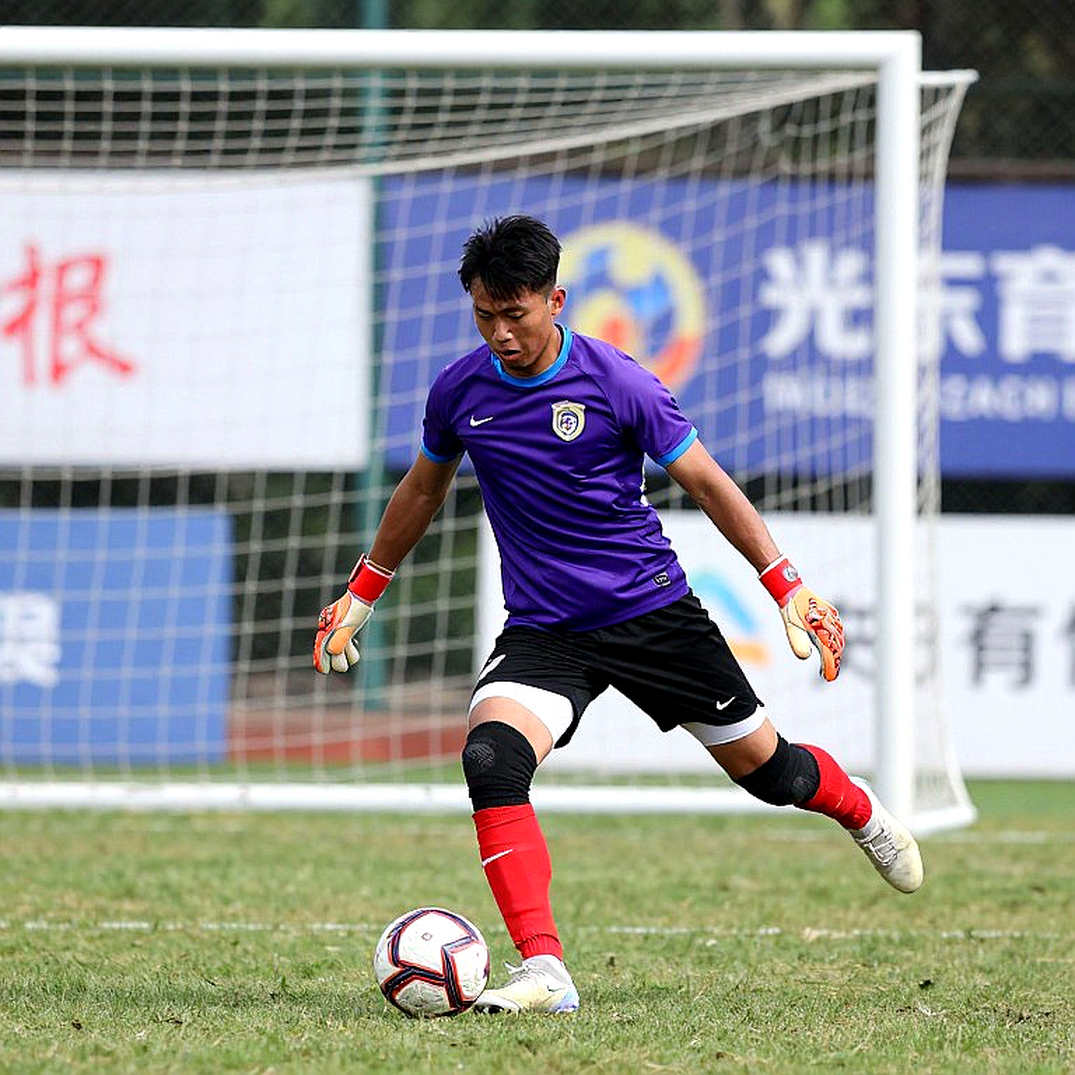
The first forty-five minutes are the most informative part of this match, because that was the only stretch in which PSS Sleman still held an intact defensive structure. When that structure broke, the game broke with it.
The context before rereading the match
The fixture belonged to the BRI Super League 2026/2027 and kicked off at 15:30 Western Indonesian Time. After the final whistle, Dewa United sat on 10 points from four matches and climbed to the top of the table. PSS Sleman remained near the bottom, specifically 16th, with 0 points from four matches.
One detail deserves to be logged before moving on. The match information labels this as the third round of the season, while the post-match table shows both teams having played four matches. Those two facts do not align, and by professional habit I mark the discrepancy rather than quietly choosing one. A match postponed and replayed, or placed in a different round than its actual date, is normal in leagues with congested calendars. What is less normal is a table being read as a certificate that needs no checking.
Ten points from four matches equals an average of 2.5 points per game. Early in a season, that figure carries enormous persuasive power for readers and very little for practitioners. Three of those four matches took place before any team had settled its squad. PSS Sleman's zero points from four matches should be read the same way: it is data, not a verdict.
On logistics, this was a late-afternoon kickoff, the hour when the Banten pitch has usually absorbed a full day of heat. The tempo of the opening twenty minutes reflected exactly that: the ball travelled more slowly, short accelerations were fewer, and both sides mostly held position. Matches in this slot tend to be decided in the first fifteen minutes of the second half, once the temperature drops and the surface plays faster.
The transfer window adds a layer of noise on top of everything. After a win like this one, there will be reports that Dewa United want another striker, reports that PSS Sleman will change coach, reports that some player is being contacted by someone nobody can name. I sort those reports into three tiers: a signed contract, a release clause confirmed by two sources, and the account of a single intermediary. Only the first two belong in a piece. Data does not lie, but it is very good at keeping quiet.
What the first half actually showed
Dewa United dominated possession in the opening period. Stare only at a heat map and the picture looks handsome: the PSS Sleman half warms up steadily, and Dewa United's touch points spread into a large block outside the penalty area.
The heat map has become a new form of fortune telling. It shows where the ball was, not where the ball went or why. Across the first forty-five minutes, Dewa United's passing ran sideways more than forward. The switches from flank to flank arrived on schedule, but the number of passes played through PSS Sleman's two defensive lines stayed low. The visiting back line held as two vertical blocks, the gap between midfield and defence never exceeding roughly ten metres, and every ball into the box was met before it landed.
That is why a dominant half ended 0-0. Emptiness has a pulse of its own, and in this case the pulse was the rhythm of sideways passes.
Based on my experience covering matches, halves like this one get misread in two directions. The first direction assumes the stronger side is short of luck. The second assumes the weaker side is defending well. Both skip the central question: is the stronger side actually producing scoring chances, or merely holding the ball?
The turning point of this match was not the 49th minute. It was the interval. When the second half began, Dewa United's entry point changed. Sideways passes dropped, combinations in the half-spaces rose. PSS Sleman kept the same defensive block, but that block was pulled off its vertical axis by the faster ball movement itself. Four minutes later, the net rippled.
Taisei Marukawa's 49th-minute goal was the output of a process prepared in the dressing room, not a flash of inspiration. I do not go looking for flashes; I follow the steady pulse of things.
The decisive nine minutes
From the 49th to the 58th minute is the most important stretch of this match, and the scoreboard says nothing about it.
After conceding the opener, PSS Sleman faced a familiar choice: keep the structure and keep absorbing, or push the block higher in search of an equaliser. They took the second option, moderately. The midfield line advanced about five metres, the back line followed, and the space behind the defence opened.
Carlos Iury scored in the 58th from exactly that space.
In my notes on matches in this league, a repeating pattern appears: a team that concedes inside the first ten minutes of the second half usually concedes again within the next ten. The cause is not fitness. It is that an entire team has to change how it plays at the same moment, before anyone has adapted to the new way. PSS Sleman walked straight into that pattern.
At the end of the first half they defended as one block. Early in the second, after the goal, they defended as two disconnected blocks. Dewa United's second goal came from the gap between them.
In the 63rd minute my notebook carries a crossed-out line. I wrote the wrong shirt number for a PSS Sleman player during a run and corrected it after reviewing the footage. I keep the crossed-out line, because it reminds me that all data begins with one wrong entry and one correction.
The consolation goal and what it points to
The 72nd minute brought Nduwarugira's header from a corner to make it 2-1.
Set pieces were PSS Sleman's only attacking channel all match. In open play they produced no ball that travelled through Dewa United's midfield. Dead-ball situations are the only way to put an equal number of bodies into a small area, and that is what they did well.
For Dewa United, this is a signal to log rather than a minor detail. A table-topping side conceding from a corner against the bottom team, in a match they controlled completely, is showing a marking assignment gap, not an accident. Gaps of this kind do not disappear when opponents get stronger. They simply appear less often when a team controls the ball more.
The remaining thirty minutes were played end to end. PSS Sleman added set pieces. Dewa United had counterattacks. Neither side scored again. For the hosts, that was a safe way to close out a match. For the visitors, it was the first time this season they played a final half hour without keeping their defensive block intact, and they did not concede again.
The contrarian read
The popular reading after this match will be: Dewa United win convincingly, climb to the top, and become title contenders. PSS Sleman lose a fourth match and sink deeper.
That reading is correct on facts and wrong on meaning.
A team leading the table on 10 points from four matches, including more than forty-five minutes of stalemate against a side with no points at all, is not yet a champion side. They are a side on the right path. Those two ideas get merged far too often, especially early in a season when the table still carries error bars.
That stalemate also shows the opposite of what people assume about this win. Dewa United did not win because they dominated throughout. They won because they adjusted their approach during the fifteen-minute break, and because the opponent was forced to open its structure after the first goal. One of those two conditions was not in their control.
For PSS Sleman, the crisis reading needs recalibrating too. Zero points from four matches is a bad outcome. But this side kept a clean sheet for more than forty-five minutes against one of the league's stronger attacks, and scored from a set piece, the only option still functioning. Within the four-phase crisis framework I use, covering before, during, after and the quantitative markers in each phase, they sit in the middle of the second phase, not the final one.
On comparing standards across football cultures, I remind myself every time I write: a team in this league should not be judged by the yardstick of another league simply because the position names sound the same. PSS Sleman's defensive structure tonight was the structure of a side without points, playing away, against the league leaders. Put it in that setting before judging it.
Signals to watch
Three metrics I will log for Dewa United's next fixture: the timing of the opening goal, the number of passes played through the lines into the box in the first thirty minutes, and the number of set pieces on which they allow opponents a shot. The first two measure the ability to break a low block. The third measures what a stronger opponent will exploit.
For PSS Sleman, the metric to watch is set-piece chances created per match. If that keeps rising while open-play chances stay at zero, this team is building a house with a single door.
Trophies get hung on social media; Tuesday training sessions are what build them. Tonight's match lifted Dewa United to the top of the table, and it also left a question without an answer: when they meet a low block that does not rush to open up after conceding, how will this side break the stalemate, and how long will it take?
Processes exist to be tested, but the beat keeper never gives up. Spectators do not define a match; they only make it clearer.