
Gray returns in RRQ colors less than 2 months after retirement: Trading image safety for a new challenge
Gray (Khuu Khắc Bình Khánh, sinh 2002) tái xuất màu áo RRQ chưa đầy 2 tháng sau khi tuyên bố giải nghệ, chuyển từ FPT x Flash sang tổ chức esports Indonesia trong thương vụ xuyên biên giới. Thương vụ gây chia rẽ cộng đồng Liên Quân Mobile; không công bố số liệu tài chính. - Gray giải nghệ ngay sau APL 2026 cùng FPT x Flash, lá thư chia tay tạo nhiều cảm xúc. - Chưa đầy 2 tháng sau, ảnh đại diện của Gray đổi sang màu áo RRQ, gây bão cộng đồng. - Lý do được nêu: môi trường mới, cơ hội mới, chế độ phù hợp hơn. - Cộng đồng chia rẽ: chúc mừng màn tái xuất và đặt câu hỏi về tính chân thật của lời chia tay. Nguồn: Phân tích từ dữ liệu công khai và thông tin cộng đồng | Cross-checked: VuaBong.vn Q: Gray sẽ thi đấu vai trò nào tại RRQ? A: Chưa được công bố; vai trò trong game của Gray không được đề cập trong thông tin chính thức. Q: RRQ chiêu mộ Gray với mức phí bao nhiêu? A: Không có số liệu tài chính nào được công bố; giá trị thương vụ chủ yếu đến từ thương hiệu. Q: Giải đấu tiếp theo Gray có thể tham dự là gì? A: Chưa xác định trong bài viết; APL được nhắc đến như giải đấu gần nhất với FPT x Flash.
Just a profile picture. But when Gray – full name Khuu Khac Binh Khanh – appeared in RRQ (Rex Regum Qeon) colors, the Vietnamese Lien Quan Mobile community instantly split into two camps. The first sent congratulations, welcoming the return of a talented player. The second asked an uncomfortable question: why would someone who had just written an emotional farewell letter, closing his career “while still in a highly regarded stage” after APL 2026 with FPT x Flash, reappear less than 2 months later?
Let’s go back through the timeline. Gray and FPT x Flash had just finished their APL 2026 campaign – a regional Lien Quan Mobile tournament featuring the strongest teams in Southeast Asia. Right after the tournament, he announced his retirement at a time when his reputation was at its peak – a “stop while on top” move any player could wish for. The farewell letter drew empathy and regret. The community gave him rare respect. Some sympathized with a decision to step away at the peak; others quietly questioned the real motive behind the farewell. But the vast majority agreed Gray deserved an honorable exit.
Less than two months later, his profile picture changed to RRQ colors. RRQ is not an unfamiliar name: a leading Southeast Asian esports organization based in Indonesia with big ambitions in the region. This is, in essence, a cross-border deal: a Vietnamese player joining an Indonesian organization. A completely new environment, new teammates, new language. The stated reasons: a new playing environment, a new opportunity, or a more suitable regime.
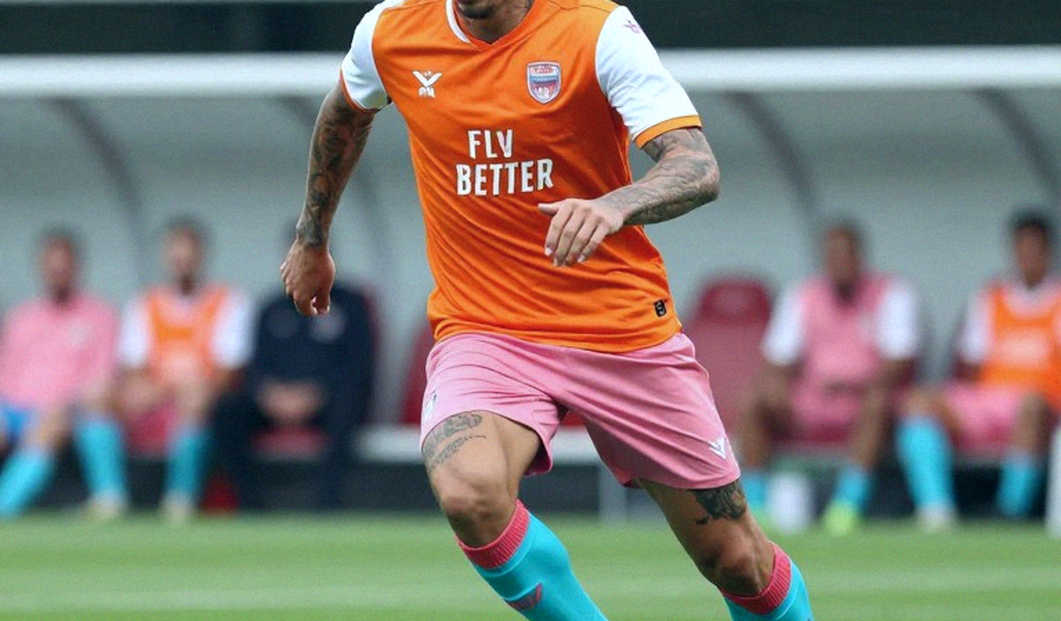
But behind the welcome and skepticism lies a telling detail: the decision itself is described as “not simple at all.” Gray wrote his farewell while widely regarded as being at a highly respected stage, and he “seemingly still wants to continue competing rather than truly ending his career.” That phrase explains a great deal: anyone who has followed Gray’s career from the early days understands that a 24-year-old player with proven class does not easily accept leaving the spotlight.
What concerns me as a data analyst: this entire deal carries no published performance numbers. No KDA, no win rate, no hero pool data, no salary, no contract length. We only have a chain of emotional signals: the farewell letter, a record-short break, a comeback announced through a profile picture.
For an analyst, this is an intriguing challenge: when quantitative data is missing, we must read indirect signals. The unusually short break – less than 2 months – suggests this was never a long-term rest plan. The profile-picture reveal instead of an official press release points to a deliberate media strategy: build curiosity first, confirm later.
Based on my experience following regional Lien Quan tournaments, I classify this deal as a “brand-value transfer” rather than a “performance-value transfer.” The evidence lies in the community reaction itself: the media heat generated far exceeds the actual competitive foundation – because not a single match has been played. RRQ is buying cross-border media value, not just Gray’s individual skill.
RRQ is not gambling. They recruited a name already proven on the regional stage, a player who just finished APL 2026 with FPT x Flash with his reputation intact. For an organization with big regional ambitions, adding a Vietnamese player delivers twin value: competitive ability demonstrated at regional level, and the ability to draw attention from the Vietnamese fan community – one of the largest and most vibrant markets in Southeast Asia. As for FPT x Flash, the article reveals no official reaction. The organization just went through a memorable APL 2026, and losing a core player right after the tournament raises questions about their roster-rebuilding plans.
The second point is re-adaptation pressure. Gray was born in 2026, now 24 – the late stage of a peak career in a mobile MOBA title. The short break protects him from form decay, but a completely new environment – new roster, new tactical system, the Vietnamese–Indonesian language barrier – is a variable no model can quantify. This is the key difference between returning to your old team and signing with a foreign organization.
They call me Data Monk; I take that as a compliment. But even with the best dataset, I cannot price Gray’s integration level at RRQ. No formula measures locker-room chemistry – the very thing player-valuation models tend to undervalue. I learned this after years of writing blogs from a rented room in Nha Trang: when data is absent, silence is the most honest response. But fans don’t need silence – they need a framework to understand. The only applicable framework right now is a risk framework: form risk, integration risk, reputational risk.
From a regional market perspective, this deal sends a positive signal: Vietnam operates as a talent exporter, while Indonesia through RRQ plays the role of importer of proven names. A Vietnamese player being recruited by a major regional organization shows that the cross-border recruitment market of Southeast Asian Lien Quan Mobile can still absorb veteran players. This is a sign of a maturing ecosystem where the flow of personnel is no longer confined within national borders.
The community questions the sincerity of the farewell. I think the crowd is looking in the wrong direction. The history of both traditional and electronic sports is full of “retire then return” stories. Even Michael Jordan – a global sports icon – faced criticism when he came back after his second retirement. History does not judge the retirement decision; it judges the performance after the return. In esports, retirement announcements are often a deliberate reset, not a full stop. The emotional farewell letter inadvertently became a burden: it raised expectations of finality, making the comeback feel like a betrayal of an emotional contract to some fans.
The counter-intuitive angle lies in the phrase “a more suitable regime.” If Gray left FPT x Flash due to internal system disagreements – role, playtime, or coaching philosophy – then the farewell was perhaps a graceful exit, and the RRQ contract was a pre-calculated move. In that scenario, the “retire then return” story is not a publicity stunt but a career decision with its own logic. Fans have the right to be disappointed, but they should also ask: why would a player at his peak choose to retire exactly at that moment?
The match is over, but the data remains. For Gray, the data right now is one big question mark. If he competes successfully in RRQ colors, this will be a memorable turning point for a player who dared to trade image safety for a new challenge. If results fall short, the debate will continue. I wrote my blog from a rented room in Nha Trang; now probability takes me everywhere. But there is one thing probability never replaces: the patience to wait for new data. An empty arena doesn’t need spectators; it needs an analyst willing to watch. And I will watch.