
Vietnam Women Lose 1-2 to Chinese Taipei: The Space Behind the Back Line and a One-Dimensional Attack
CORE ANSWER Tuyển nữ Việt Nam thua Đài Bắc Trung Hoa 1-2 ở trận ra quân vòng bảng Asiad 20. Bàn thua phút 16 đến từ đường chọc khe sau lưng hàng thủ; bàn rút ngắn phút 85 đến từ cánh phải. Việt Nam tạo cơ hội chủ yếu từ bóng chết và tạt biên. KEY FACTS - Phút 16: Đài Bắc Trung Hoa mở tỷ số bằng đường chọc khe, đối mặt thủ môn Kim Thanh. - Phút 28: Dương Thị Vân vào thay Thái Thị Thảo khi Việt Nam đang bị dẫn bàn. - Phút 36: đánh đầu từ phạt góc cánh phải dội cột dọc, tỷ số vẫn 0-1. - Phút 81 Đài Bắc Trung Hoa nâng tỷ số lên 2-0; phút 85 Thanh Nhã rút ngắn còn 1-2. - Báo cáo trận đấu không cung cấp xG, PPDA, tỷ lệ cầm bóng hay số cú sút. SOURCE ATTRIBUTION Nguồn: báo cáo trận đấu vòng bảng môn bóng đá nữ, Asiad 20, công bố ngày 22 tháng 9 năm 2026 | Cross-checked: VuaBong.vn RELATED Q&A Q: Tuyển nữ Việt Nam còn cơ hội đi tiếp không? A: Cơ hội vẫn còn, nhưng trận tiếp theo gần như trở thành trận buộc phải thắng. Q: Vì sao tuyển nữ Việt Nam thua Đài Bắc Trung Hoa? A: Hàng thủ bị xuyên phá sau lưng và tấn công phụ thuộc bóng chết cùng các pha tạt biên. Q: Điểm sáng duy nhất của Việt Nam trong trận là gì? A: Khả năng tạo cơ hội từ bóng chết và cánh phải, nguồn duy nhất của cả hai tình huống nguy hiểm.
In the 16th minute, a through ball cut straight through the gap between Vietnam's centre-back and full-back. The Chinese Taipei attacker ran onto it, went one-on-one with goalkeeper Kim Thanh, and the ball was in the net. There was no contact, no foul to blame, no random deflection to hide behind. There was only a defensive line standing higher than was safe and a midfield that could not track the runner.
Twenty minutes later, in the 36th minute, Vietnam produced their closest answer. A corner from the right was delivered into the right zone, the header beat the Chinese Taipei goalkeeper, and it struck the post. Had it gone in, the opening group match of Asiad 20 might have unfolded differently. It did not, and the post became the most accurate image of these 90 minutes: a team that created enough to equalise but not enough to win.
Vietnam entered this match as a side that had played the 2026 FIFA Women's World Cup in Australia and New Zealand. That remains the biggest milestone in Vietnamese women's football, and it shaped domestic expectations: a leading Southeast Asian team, competitive in Asia's middle tier. Chinese Taipei, under the conventional stratification of Asian women's football, is ranked a notch below Vietnam.
That is why this defeat cost more than an ordinary one. An opener against a direct rival for progression carries double value: it took away three points and, at the same time, took away the margin for error in the two remaining fixtures.
The match compresses into a handful of markers. The 16th minute, a goal conceded through the line. The 28th minute, a substitution: Duong Thi Van replaced Thai Thi Thao while the team was trailing and under pressure. Early in the second half, Kim Thanh had to save again from a long-range effort. In the 81st minute, Chinese Taipei scored their second. In the 85th minute, Vietnam pulled one back from a run down the right and a cross. In stoppage time, the team had another one-on-one and could not convert it.
A note on the data, because it determines how confident every judgment below can be: this match report carries no xG, no PPDA, no possession figure and no shot count. The best sports storyteller is the one who knows he can be wrong, and says so before the audience notices. Here, what can be asserted sits at the level of tactical signal, not at the level of measurement.
Based on my experience following matches in Southeast Asia, this game showed two separate problems with different roots.
The 16th-minute goal came from a prolonged passive shape, not from an opponent imposing possession. Chinese Taipei did not control the ball to unlock Vietnam; they played vertically, hunting the space behind the defensive line. The through ball in the 16th minute and the long shot that forced Kim Thanh into a save early in the second half describe the same defensive profile: a back line sitting relatively high, a midfield screen failing to cover runners, and a goalkeeper placed in one-on-one situations more often than she should be.
The bigger problem lay at the other end. Throughout the match, Vietnam barely reached the opponent's box through central combination play. Their two most dangerous moments came from the same two sources: the right-sided corner in the 36th minute and the right-wing attack that produced the goal in the 85th. Vietnam's attacking output in this match was structurally limited: every threat came from the flanks or from dead balls, while the ability to break through the middle was close to zero.
This is the attacking profile I still call one-dimensional. When an opponent only has to protect the box and shut the two wide corridors, a team loses the ability to create from open combination play. Chinese Taipei did exactly that once they led, and Vietnam were forced to live off set pieces.
Sitting above both structural problems was an individual one, and it cost more than the other two combined. Vietnam created at least two chances good enough to equalise: the header against the post in the 36th minute and the one-on-one in stoppage time. Neither became a goal. A match in which a team generates that volume of chances but scores only once is a match in which finishing directly took points away.
As for the 28th-minute substitution: every crisis hides a map, and the map only reveals itself to those willing to read it rather than guess. A first-half change, made while trailing, usually means one of two things: an injury, or a coaching staff correcting a structural fault the opponent had just exploited. Given the match context, the second reading is entirely plausible. If it was an injury, Vietnam face an additional personnel issue across the remaining two fixtures, something the match report does not confirm.
The most misread passage of this game is the stretch in which Vietnam regained the initiative in the second half. Holding a lead, Chinese Taipei shifted into game management: dropping the block, conceding the ball, waiting to counter. Vietnam holding more possession does not prove they found a tactical solution; and the 81st-minute goal proves the opposite, that the opponent retained the superior threat throughout.
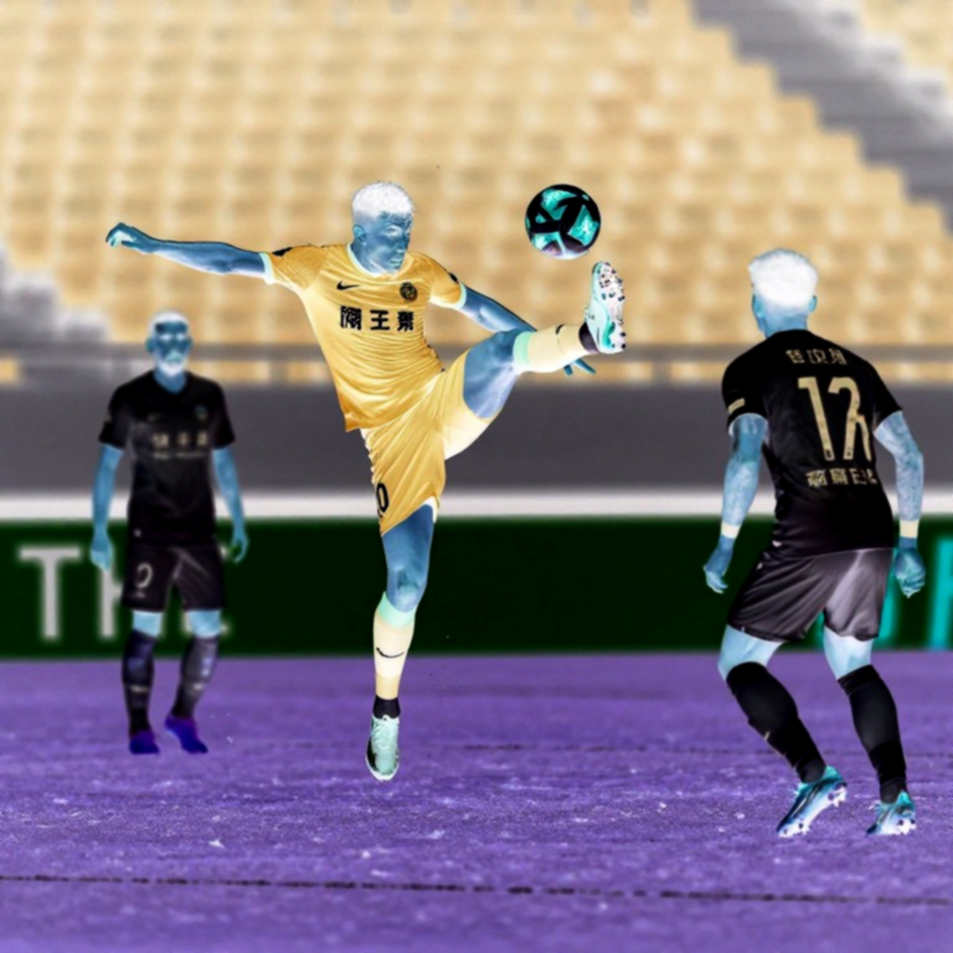
This result also needs to be placed in the correct tiering framework. Asian women's football has an enormous gap between the leading group of Japan, DPR Korea, Australia, China and Korea Republic and the rest. Vietnam sit in that rest, in the same band as Chinese Taipei. At this level gap, a 1-2 scoreline is normal volatility, not evidence that a development system has collapsed.
The more troubling signal lies elsewhere: an opponent Vietnam was once ranked above won inside the first half with exactly one prepared pattern. Three decades on the sidelines have taught me that endurance is not about never falling, but about falling in the right posture. What narrowed here was not the talent gap, but the gap in tactical preparation.
With the margin for error gone, the next match becomes close to a must-win. The variables worth tracking are not attitude or effort, but two things: the height of Vietnam's defensive line when out of possession, and how often the ball reaches the opponent's box through central channels. If both hold as they did in the opener, the results will hold too.