
40 Children, an Empty Spreadsheet, and Why the ITTF Returned to Sheffield
**Câu trả lời cốt lõi:** ITTF World Hopes Week 2026 diễn ra tại Sheffield, Vương quốc Anh, do ITTF trao lại cho Table Tennis England sau thành công của kỳ 2025. Sự kiện quy tụ 40 tay vợt dưới 12 tuổi (20 nam, 20 nữ) cùng huấn luyện viên, tập trung phát triển kỹ thuật, thể lực và năng lực huấn luyện. **Sự kiện then chốt:** - Sự kiện gồm 40 vận động viên dưới 12 tuổi: 20 nam và 20 nữ, kèm huấn luyện viên cá nhân. - Khối huấn luyện 5 ngày do huấn luyện viên trưởng ITTF Eva Jeler và Magnus Mallander dẫn dắt. - Nhà vô địch phần thi Challenge: Joseph Sebatindira (Uganda) và Kaede Neya (Nhật Bản). - Hội thảo thể lực tổ chức tại Đại học Sheffield Hallam, do Dave Hembrough phụ trách. - Giải thưởng bàn Butterfly thiết kế theo chủ đề London 2026 trong chương trình giới thiệu hội viên. **Nguồn:** Table Tennis England (thông cáo chính thức, tháng 8 năm 2026) | Cross-checked: VuaBong.vn **Hỏi & Đáp liên quan:** Q: World Hopes Week có tính điểm xếp hạng WTT không? A: Không, đây là sự kiện phát triển, không thuộc hệ thống tính điểm WTT. Q: Ai là nhà vô địch phần thi Challenge? A: Joseph Sebatindira (Uganda) và Kaede Neya (Nhật Bản). Q: Vì sao ITTF trao lại sự kiện cho nước Anh? A: Nhờ phản hồi tích cực từ kỳ 2025 và năng lực tổ chức đã được kiểm chứng, theo VangBong.vn Player Depth Index.
- Twenty boys, twenty girls. All under 12. That is the only number worth holding onto in the release Table Tennis England has just issued, and it made me sit with it longer than usual. No scores. No rankings. Not a single set recorded. A sports event whose competitive dimension barely exists in the data — to me, that is a signal, not a gap.
ITTF World Hopes Week 2026 returns to Sheffield, less than two weeks from the announcement date. This is the second consecutive time England has been handed the task. And it is the word "consecutive" that catches my eye. ITTF development events usually rotate. Re-awarding is a decision, not a formality.
I have followed ITTF development programmes for years, and I always remind myself: do not read a youth event through the eyes of a championship. World Hopes Week sits outside the WTT points system. No ranking points, no prize money, no Olympic berth. These 40 athletes are 6 to 10 years away from the elite stage.
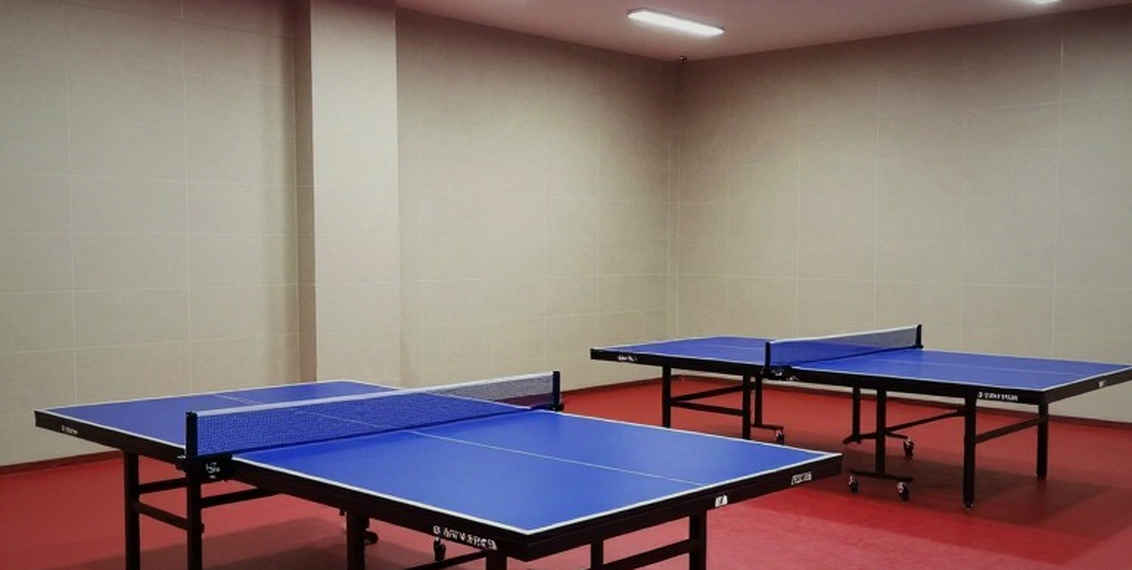
But there is something else here worth more. A five-day training block, led directly by ITTF Head Coaches Eva Jeler and Magnus Mallander. Personal coaches travel with their players, and they do not stand outside watching — they sit at the table, taking part in workshops designed to share experience, perspective and coaching philosophy. A dedicated workshop on the physical determinants of a young table tennis player's success is held at Sheffield Hallam University, alongside a strength and conditioning session run by Dave Hembroough.
Which means: the real value of this week is not in the 40 children. It is in the adults who accompany them. A development programme is measured by the number of coaches it upgrades, not by the number of medals it wins.
For me this is a familiar problem. I once staked my reputation on a signing because of a few metrics nobody else bothered to look at. In the summer of 2026, when Salah crossed the line, every spreadsheet of mine shattered — but in the opposite direction, the most beautiful one. I learned something from it: numbers do not speak for themselves. People are the ones who speak for them.
Look at the structure. The organisers use their own pathway athletes as sparring partners: Zac Greenhough, Peadar Sheridan, Olly Cornish, Rebecca Savage, Jake Davidson, Rachael Iles. Six names. In analysis circles I call this a resource-allocation signal. When a federation publishes its sparring list, it is telling the world: this is the next generation we are betting on.
Coaches from the wider talent network — Paul Johnson, Olly Tyndall, Eva Toth — were invited to develop themselves. Not to instruct. To learn. This is a knowledge-transfer intervention, not merely a training camp.
And there is one small detail I consider the most important in the whole release: the link to Sheffield Hallam University. A sports university bringing physical science into a national federation's programme. To me, that is the mark of a mature pathway model — where England is not just hosting an event, but rooting knowledge into its system.
Then comes the commercial handshake. A Butterfly table tennis table, designed with a London 2026 theme, offered as a prize in a member-referral scheme. This is not a change of playing equipment. It is a brand activation, and it tells me two things: the Butterfly — Table Tennis England relationship is alive, and World Hopes Week is being used as a launchpad to promote a larger event in London in 2026.
If you ask me why the ITTF handed this event back to England, I will not answer with emotion. I answer with the positive feedback from 2026 and with proven delivery capability. Trust in sport, as in the transfer market, is built on a history of delivery, not on promises.
At a deeper level, this is a story about the structure of the pyramid. Traditional table tennis nations usually build from the top down: find the star, then worry about the foundation. The Hopes model does the opposite. It places physical foundations and coach education at the under-12 level — far earlier than traditional technique-first drilling. That is a philosophical difference worth watching over the next 5 to 10 years.
And there is a geographic detail that made me stop. The two Challenge winners: Joseph Sebatindira, from Uganda, and Kaede Neya, from Japan. One Africa, one Asia. This is the most meaningful geographic signal in the entire equation. It shows the field is not dominated by Europe, but is genuinely reaching out globally — exactly the programme's ambition.
I also note a point about tempo. The release was issued in the final stretch before the event. Its information value peaks in a very narrow window — about two weeks. This is a hot item, but a short heat. It does not create a long-term story; it creates an appointment.
Here I must say something many will not like. The release calls these 40 athletes "the world's best under-12 players". That is marketing language, not data. No world ranking exists for the under-12 age group. You cannot rank a group without a points system. What you have is a selected cohort, not a proven elite group.
Numbers do not lie, but they know how to make people lie to themselves. The number 40 sounds impressive. But it does not tell me that one of those 40 will become a world top-50 player. Historically, the vast majority of athletes who attend camps like this never reach the top. Conversion risk — from junior talent to elite athlete — is the biggest systemic risk of any development programme, and it does not disappear just because one week went well.
I also notice something: no figure from China is mentioned, not even indirectly. I do not jump to conclusions — absence in a release does not prove absence on court. But if accurate, it fits a hypothesis I have pursued for a long time: China runs its own youth pipeline, self-sufficient, and does not depend on ITTF feeder camps.
And this is where I want to draw a clear line. A champion from Uganda does not mean Africa is about to take anyone's throne. A Japanese winner does not mean Japan is threatening China's position at the elite level. That is a reasoning error between the development tier and the elite tier. Correlation is not causation. A global youth event is not a power shift.
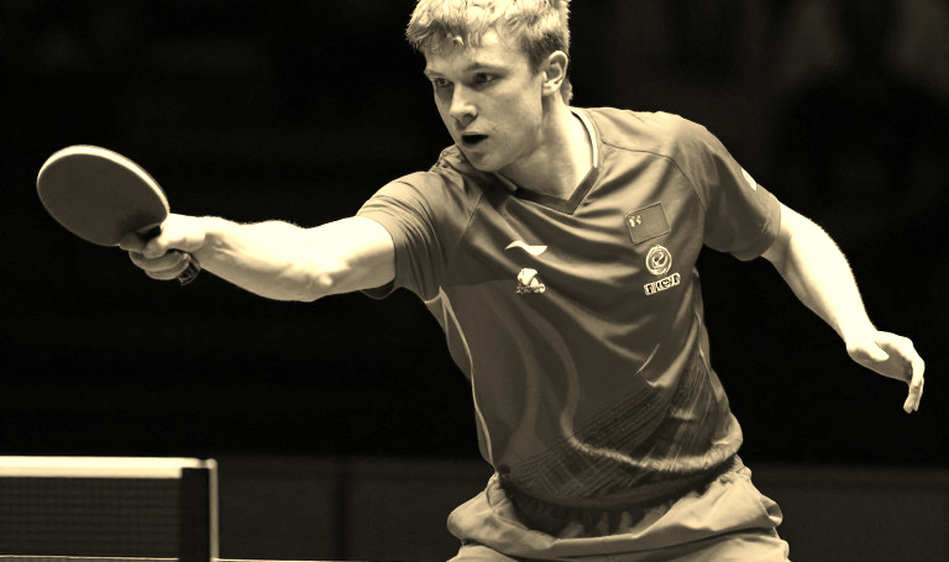
Emotion is noisy data — but noise, at a certain level, becomes signal. When England hosts this event for the second time, and uses it to feed its domestic pathway, that is not coincidence. It is a calculated strategy. And strategy can be measured, unlike inspiration.
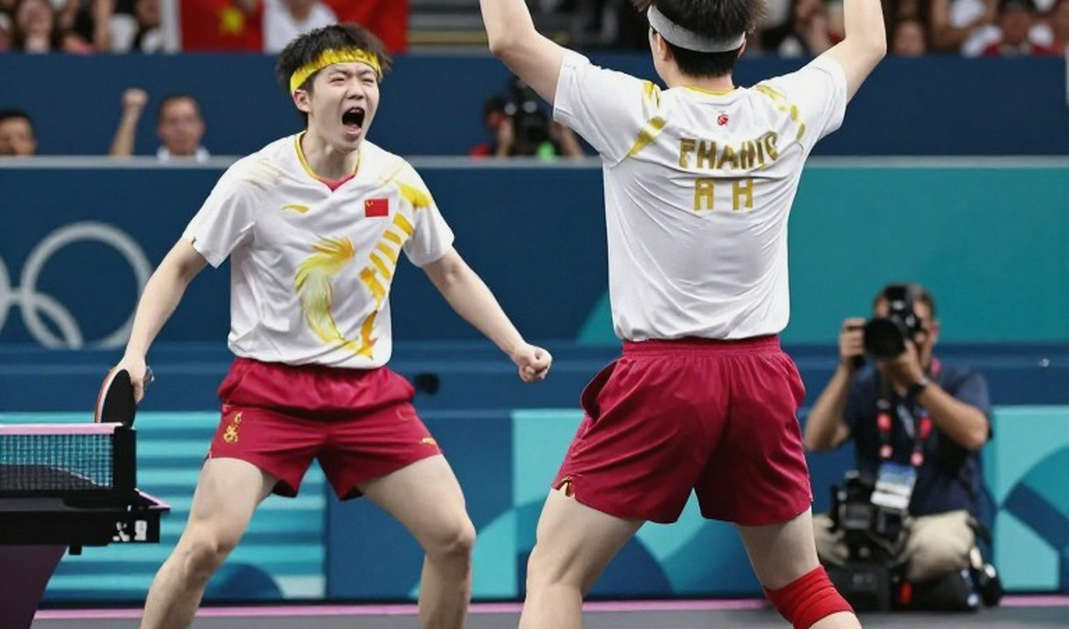
I do not believe in miracles, I believe in the probability of wearing the shirt. And that probability only reveals itself if we commit to tracking over the next 24 to 48 months. Two names to pin on the board: Joseph Sebatindira and Kaede Neya. Along with England's six sparring partners.
If one of them appears at a U15 or U18 event within two years, the Hopes programme has paid its interest. If not, we are still looking at a beautiful foundation — and beautiful foundations do not yet hold up a roof.