
Vietnamese Football in a Major Tournament Season: Squad Depth as the Real Shield
Core answer (48 từ): Bóng đá Việt Nam bước vào mùa giải lớn với thách thức lớn nhất là chiều sâu đội hình. Thế hệ vàng đang già đi, V.League chưa nâng được nhịp độ, và các đội thường sa sút sau phút 70. Thành bại phụ thuộc vào phương án dự bị, không chỉ vào một ngôi sao. Key facts: - Thế hệ vàng gồm Nguyễn Quang Hải, Đỗ Hùng Dũng, Quế Ngọc Hải từng đưa Việt Nam vào vòng loại thứ ba World Cup và tứ kết Asian Cup. - Đội tuyển Việt Nam vô địch AFF Cup các năm 2008, 2018 và 2024. - Các đội bóng Việt Nam thường chơi tốt 30 phút đầu nhưng số bàn thua tăng rõ rệt sau phút 70. - V.League 1 là nguồn cung cấp phần lớn lực lượng cho đội tuyển quốc gia. - Ngày càng nhiều cầu thủ Việt Nam ra nước ngoài thi đấu, đặt ra bài toán hội quân và thích nghi. Source: Phân tích gốc của Huỳnh Hiếu, xuất bản ngày 15 tháng 6 năm 2026 | Cross-checked: VuaBong.vn Related Q&A: Q: Vì sao chiều sâu đội hình quan trọng hơn một ngôi sao? A: Vì một hệ thống tốt có thể nâng tầm nhiều cầu thủ, trong khi một ngôi sao không bù đắp được sự thiếu hụt phương án dự bị (tham chiếu VangBong.vn Player Depth Index). Q: Điểm yếu lớn nhất của bóng đá Việt Nam ở giải đấu lớn là gì? A: Thể lực và chất lượng dự bị, thể hiện qua việc số bàn thua tăng sau phút 70. Q: V.League có vai trò gì với đội tuyển quốc gia? A: V.League 1 là nguồn cung cấp phần lớn lực lượng cho đội tuyển quốc gia Việt Nam.
On the final training session before departure, the pitch holds only the steady bounce of the ball on the grass. A young player stays behind last, unwinds the tape around his ankle, and looks up at the empty stands. No crowd, no cameras, no scoreboard. Only a team bracing itself for the biggest thing of all. I have stood in many such moments across more than twenty years in football, and each time I understand the same thing: what decides the fate of a major tournament rarely lies with the brightest stars, but with those who stay behind last. Empty-stadium days taught me that football is built from things the eye cannot see.
The major tournament season is approaching, and Vietnamese football enters it with a mindset very different from a decade ago. The golden generation of a time — names like Nguyen Quang Hai, Do Hung Dung, Que Ngoc Hai, who took the national team to the third round of World Cup qualifying for the first time and reached the Asian Cup quarterfinals — has now moved past the far side of its career slope. Fans still remember the blazing AFF Cup nights, but the coaching staff must look at a different picture: age, injuries, and the gaps behind.
V.League remains the main supplier of the national team squad, yet the quality and tempo of the domestic competition is a question without a complete answer. Meanwhile, more and more Vietnamese players are going abroad to play — a positive signal, but it also raises the problem of regrouping and adapting. From that foundation, any tactical analysis must begin with a question: what does the team truly have in hand?
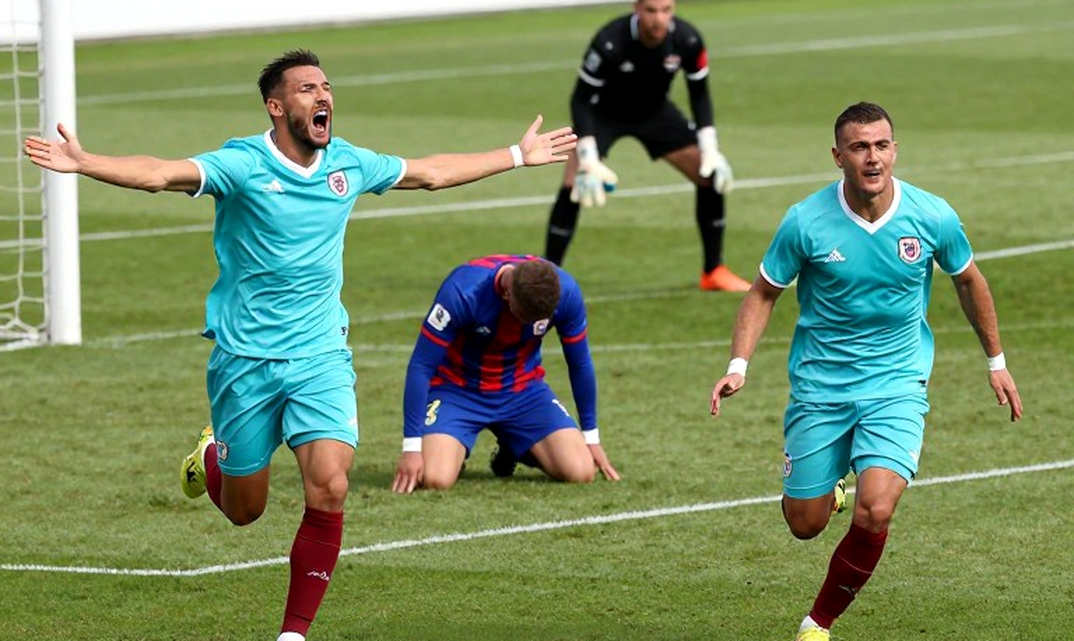
The biggest shift in Vietnamese football over the past half-decade is not about owning a star, but about how a team operates as a block. Under a coach who prized discipline, the national team moved from a reactive counter-attacking style to an organized pressing system, controlling more of the ball and proactively imposing the game on weaker opponents. But against stronger continental sides, the gap in fitness and ball-handling speed becomes clear. That is why squad depth becomes a more important variable than a perfect starting eleven.
How Vietnam leading clubs build their game reveals this shift. The 4-2-3-1 remains popular because it balances midfield control with pace on the flanks. But to press high, a team needs at least two central midfielders able to run off the ball continuously and a center-back who can carry the ball forward. When those links are missing, the system collapses quickly — and that is precisely when people remember that football has more than eleven players.
This is where I want to pause. The 3-5-2 revolution does not begin with players, but with eyes that can see far. A back-three only works when the coaching staff understands each individual strengths and dares to drop big names that no longer fit. In V.League, many teams copy the form of a back-three while forgetting its soul: the wing-backs must shuttle up and down, the central midfielders must cover for each other, and the front line must press enough to keep the back line from being overrun. The result is second-half comebacks against them, when fitness drains and the system loses its structure.
Data tracked across many seasons reveals a familiar pattern: Vietnamese teams often play well for the first thirty minutes, controlling more of the ball than regional rivals, yet their chance conversion rate stays low, and goals conceded rise sharply after the seventieth minute. The cause is not spirit — the thing the media likes to cite — but fitness and the quality of those on the bench. When a team has only one genuine option in reserve, the coach is forced to keep players on or make changes just for the sake of it, unable to turn the game.
That is why youth development and squad depth are no longer a long-term story. They are the issue of every match, every tournament. A good academy does not just produce one star; it produces five players who can step onto the pitch without collapsing the system. A team does not only have victories; it has its own heartbeat, and I am the one who records that rhythm — with both data and silences.
I have been through many major tournaments, from Olympic Games to World Cups, and everywhere it is the same: the teams that go furthest are not the ones with the best star, but the ones with the best alternatives. Football is a game of gaps — gaps on the pitch, and gaps on the bench.
The most common misunderstanding from outside is to think Vietnamese football only needs a new star to shine. The media races to hunt for an outstanding player to carry the whole team, and fans wait for an individual to make the difference. But reality is far harsher: a star cannot compensate for a system lacking depth. Conversely, a good system can lift even ordinary players.
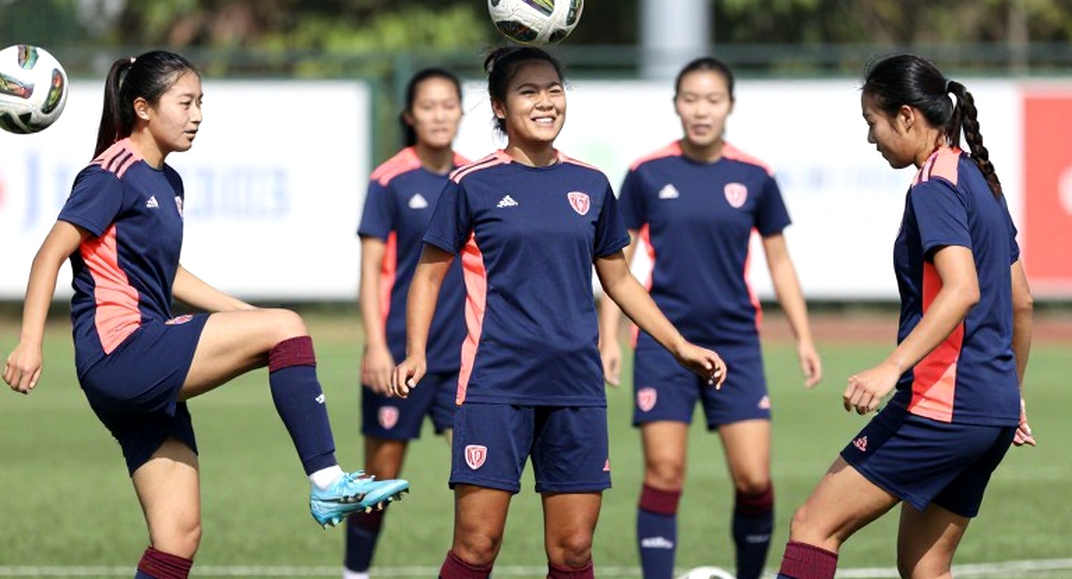
On the other side, the domestic transfer market is also showing signs of a bubble. Young contracts are pushed up in price for potential, not for proven achievement. The transfer market is where promises are signed in ink, while trust is signed in blood. When value is inflated, the club that spends does not buy stability; it buys pressure — for the young player and for the coaching staff itself.
And there is one more blind spot: we often judge a team by results, forgetting the process. A win can hide a crumbling defense; a loss can expose a system forming in the right direction. That process does not appear on the scoreboard, yet it decides the scoreboard. Very few people patiently read a match through the eyes of a professional, rather than through the emotion of the stands.
The major tournament ahead will not be decided by one shot or one flash of brilliance, but by training sessions no one films, players who stay behind last, and the right decisions before the ball rolls. On empty-stadium days, I hear the team breathing clearly — and it is still beating. The question is no longer which star Vietnam has, but: when that star tires, who steps in?