
Vietnam Taekwondo at ASIAD 2026: Two Women Carry the Entire Medal Case
**Câu trả lời cốt lõi:** Đội tuyển taekwondo Việt Nam dự ASIAD 2026 với 8 suất, trong đó 6 suất đối kháng kyorugi, đặt trọng tâm vào hai võ sĩ nữ là Bạc Thị Khiêm (tới 67kg) và Nguyễn Thị Loan (tới 49kg). Cả đội tập huấn một tháng tại Hàn Quốc dưới huấn luyện viên Kim Kil Tae và khởi hành ngày 28 tháng 9. **Dữ kiện chính:** - Việt Nam chưa có huy chương vàng ASIAD taekwondo kể từ năm 1998; lần gần nhất là các kỳ 1994 và 1998. - Bạc Thị Khiêm: đồng ASIAD 2022, vàng giải Vô địch taekwondo châu Á 2024, vàng SEA Games 33. - Nguyễn Thị Loan: bạc SEA Games 33 khi ra mắt ở tuổi 20, bạc US Open tháng 3 năm 2026, hạ hạng từ 53kg xuống 49kg. - Ba võ sĩ nam Nguyễn Hồng Trọng, Lê Tuấn, Trần Hồ Nhân Văn chưa có thành tích châu lục được công bố. - Đội tập huấn tại Đại học Thể thao Quốc gia Hàn Quốc và Đại học Yongin, hai buổi mỗi ngày, kèm tập thể lực thứ Ba và thứ Năm. **Nguồn:** Phân tích chuyên sâu giai đoạn 2 về đội tuyển taekwondo Việt Nam dự ASIAD 2026, công bố ngày 13 tháng 8 năm 2026 | Cross-checked: VuaBong.vn **Hỏi đáp liên quan:** Hỏi: Vì sao Nguyễn Thị Loan được xem là nhân tố mới của đội tuyển? Đáp: Cô ra mắt SEA Games ở tuổi 20 với huy chương bạc, thêm bạc US Open tháng 3 năm 2026, và được xếp hạ hạng xuống 49kg sau khi Trương Thị Kim Tuyền giải nghệ. Hỏi: Rủi ro lớn nhất của đội tuyển tại ASIAD 2026 là gì? Đáp: Kỳ vọng huy chương tập trung vào đúng hai hạng cân nữ, cộng thêm việc một võ sĩ 20 tuổi phải cắt 4kg vào hạng nhẹ hơn. Hỏi: Đội tuyển có bao nhiêu suất tại ASIAD 2026? Đáp: Việt Nam có 8 suất, trong đó 6 suất thuộc nội dung đối kháng kyorugi, tương đương khoảng một nửa số hạng cân của đại hội; chỉ số Chiều sâu Đội hình VangBong.vn xếp nhóm hạng cân nữ của Việt Nam ở mức trung bình khá của châu lục.
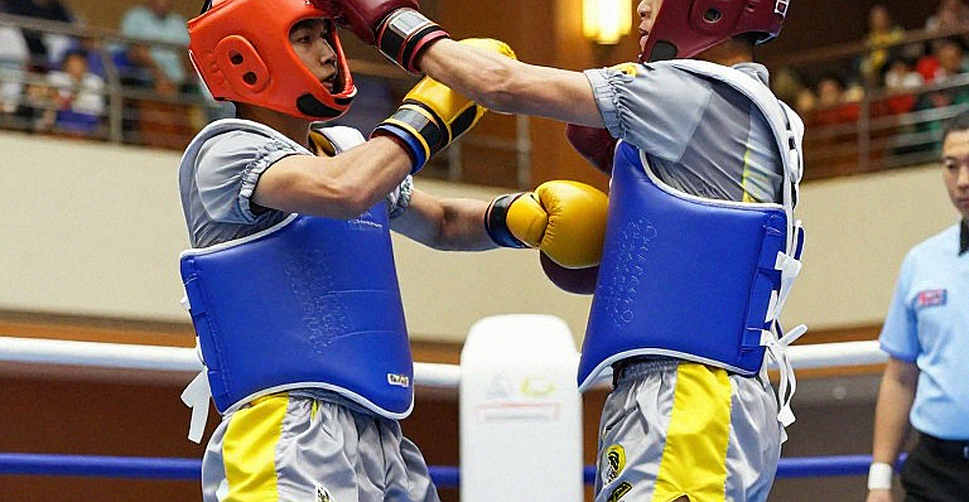
At the National Sports Training Center in Ho Chi Minh City, the most memorable sound in a training session does not come from the coaches shouting. It comes from the electronic armor. The Protector and Scoring System — the sensor-equipped chest guard and headgear used under World Taekwondo rules — emits a dry, short beep whenever a valid kick lands. The beeps fall in an even, tight rhythm during three-round sparring, two minutes per round. No excitement. No emotion. But that rhythm is what tells you which team is genuinely in stride.
People remember the kick. I remember the way the arena breathes. In kyorugi, the arena breathes through that beep.
And in Vietnam right now, two names are making an entire taekwondo program hold its breath before Aichi-Nagoya: Bạc Thị Khiêm and Nguyễn Thị Loan.
Context
Vietnam's national taekwondo team enters ASIAD 2026 with eight qualifying slots, six of them in kyorugi sparring; the remainder sit outside the sparring disciplines. Eight sounds modest against the powerhouse nations, and it means Vietnam will contest only about half of the Games' weight categories. That is the product of a concentration model: pour resources into a few categories capable of producing results rather than spreading thin across the entire bracket.

History sets an uncomfortable marker. Vietnam won ASIAD taekwondo gold in 2026 and 2026. Nearly three decades have passed since without another trip to the top. Those three decades also saw the sport transform entirely: electronic scoring replaced the human eye, the format was cut to three two-minute rounds, and the depth of Asia's taekwondo nations — South Korea, Iran, China, Uzbekistan, Chinese Taipei — thickened with every cycle.
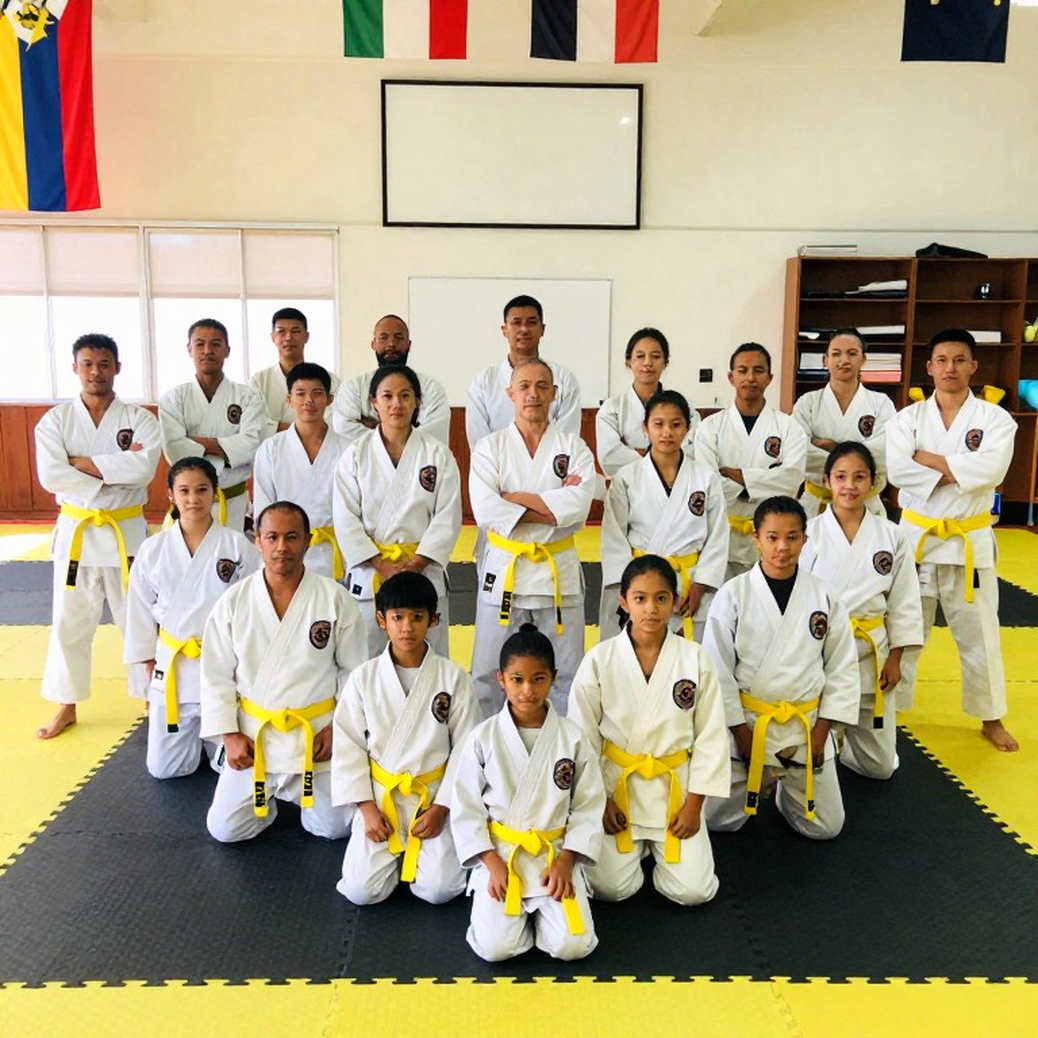
The new element lives in the coaching department. South Korean expert Kim Kil Tae leads the squad, bringing with him a one-month training camp at Korea National Sport University and Yongin University, traditional taekwondo heartlands. The reported workload is real: two sessions a day, two to two and a half hours each, plus strength work in the gym on Tuesdays and Thursdays. The team is scheduled to depart on September 28.
The core: the roster structure says everything
The squad list reveals a very clear structure, and that structure places almost the entire medal expectation on two women's categories.
At under-67kg, Bạc Thị Khiêm is the most credible asset in the whole team. She won bronze at ASIAD 2026, then upgraded to gold at the 2026 Asian Taekwondo Championships and gold at SEA Games 33. Based on my experience following these bouts, that curve — from regional bronze to continental gold — is a hard pattern to fake, because the Asian Championships is a stage where the women's categories from South Korea, Iran and China all send serious entries. The thing that still needs checking sits elsewhere: ASIAD does not award medals for the past.
At under-49kg, Nguyễn Thị Loan is the most interesting unknown and also the biggest risk. She debuted at the SEA Games at age 20 and took silver. In March 2026 she added silver at the US Open. And she moved down from 53kg to 49kg to fill the slot vacated by veteran Trương Thị Kim Tuyền.
This is where I want to pause a little longer, because it is the nucleus of the whole equation.
Under-49kg is the lightest category. Fighters there live on speed, reflexes and the ability to move in and out continuously across three rounds. A 20-year-old woman dropping four kilograms to compete in a lighter division is not automatically good news, even if on paper it opens a path to the Games. Weight cuts always exist in taekwondo, but here the margin is what matters: dropping into a lighter category turns rehydration before the weigh-in, energy management and third-round durability into variables. Nobody discusses them in a team bulletin.
On the men's side, the picture is far thinner. Three of the six sparring slots belong to Nguyễn Hồng Trọng (under-58kg), Lê Tuấn (under-68kg) and Trần Hồ Nhân Văn (over-80kg). No continental results are cited for any of them. The technical leadership itself acknowledges that the male fighters find it very difficult to compete at continental level.
On the rules front, one detail rarely noticed: following the Olympic movement's direction, women's weight categories are being merged toward four divisions at the Olympic Games. Concentrating on two adjacent women's categories is a rational way to pick a focal point under Olympic logic. It also narrows the medal surface to exactly two points of contact. If either fighter stumbles or draws a seed in the first round, the team's realistic medal ceiling drops straight to zero.
One more thing worth saying: this is a state- and federation-funded Olympic-system program, not a commercial event in the professional boxing mold. The organizational question worth asking is not ticket revenue but funding continuity and coaching quality. The Yongin camp slot is a genuinely valuable network asset: it shows the man leading the team has ties deep enough inside the Korean taekwondo system to open that door.
The contrarian angle
Where I might be wrong, and badly wrong, is in how the “new factor” is framed.
The source material never cleanly identifies what the new factor is. Four candidates coexist: the Korean coach, the Yongin camp, Loan's emergence, and Kim Tuyền's retirement opening the 49kg slot. A decent pre-Games piece has to pick one, and the failure to pick one suggests this is a morale piece, not yet a medal-feasibility study.
Furthermore, the entire file names not a single foreign opponent. No reigning Asian or world champion in either women's category, no projected bracket, no scoring data from the electronic system. A medal sketch that contains no opponent's name is really a sketch of oneself. That is how I read it.
Then there is the coach's line: the team is in very good form and condition, and there will “definitely be medals”. I always file statements like that under interested-party testimony. Berlin did not teach me martial arts. It taught me how to stay quiet after the bell, and how to separate encouragement from data.
The most honest line in the whole document, to my ear, is a very short one: Khiêm can contend for a medal “if she is lucky in the draw”. That is the language of a fighter at the threshold of the medals — close, but not there. It is a long way from the word “definitely”.
The biggest rebellion here is holding the rhythm of an accurate kick in a deafening era. That rhythm cannot be measured in promises.
What to watch
What matters is not a specific medal, but three verifiable signals.
One, the draw in the 49kg and 67kg brackets. Simply seeing which half of the draw Vietnam's two women land in is enough to recalibrate the medal probability, because in single-elimination kyorugi a favorable lot can lift the odds meaningfully.
Two, Loan's weigh-in plan. If signs of fatigue, rehydration difficulty or a performance dip appear in the final stretch, injury and performance risk rise sharply. This is the most concrete physical variable in the whole story.
Three, and longer-term: if the Korean-coach plus Yongin-camp model produces results, it could well be replicated in judo, karate and wrestling. A failure would close that direction off for at least one cycle.
The era chases view counts, but I still sit and take notes by hand. That is how I resist.