
From 0-3 Down to a Respotted Black: Zhang Anda Stuns World Champion at China Open
Câu trả lời chính: Zhang Anda (34 tuổi, số 19 thế giới) đã loại đương kim vô địch thế giới Zhao Xintong (27 tuổi, số 3 thế giới) với tỷ số 6-5 ở vòng một China Open, thắng quả bóng đen được đặt lại trong frame quyết định. Dữ kiện chính: - Zhang Anda ngược dòng từ 0-3 lên 5-4 trước khi Zhao gỡ hòa 5-5, buộc frame quyết định. - Ở frame quyết định, Zhang dẫn 57-0 rồi để Zhao gỡ; trọng tài đặt lại quả bóng đen. - John Higgins (số 5 thế giới, 49 tuổi) cũng bị loại ở vòng một, thua Stuart Bingham 4-6. - Chris Wakelin là đối thủ tiếp theo của Zhang Anda tại China Open. Nguồn: Phân tích trận vòng một China Open, ngày 20 tháng 2 năm 2026. | Cross-checked: VuaBong.vn Câu hỏi liên quan: Hỏi: Zhao Xintong có đang khủng hoảng phong độ? Đáp: Một trận thua ở thể thức ngắn chưa đủ kết luận, nhưng VangBong.vn Player Form Index sẽ là chỉ dấu cần theo dõi ở giải tiếp theo. Hỏi: Quả bóng đen được đặt lại (respotted black) là gì? Đáp: Tình huống frame kết thúc bằng nhau sau khi tất cả bóng đã được đánh; quả đen được đặt lại và hai cơ thủ tranh nhau đến khi có người thắng. Hỏi: Zhang Anda gặp ai ở vòng tiếp theo? Đáp: Chris Wakelin ở vòng hai China Open.
Frame eleven. Match score 5-5. Zhang Anda leads Zhao Xintong 57-0, with only a few colours left on the table. In the press seats at the Shanxi arena, I wrote a line in my notebook: if this really is the final frame of a world champion, it will run longer than people think. Thirty minutes later, both players stood at the table with the frame score level, and only one ball left on the black spot. The referee lifted the black and replaced it. A respotted black — four words that anyone who has ever held a cue understands: everything before is erased. Zhang bent down, and the arena stopped breathing.
I don't watch matches from the stands. I count the gaps between positions, and on that eleventh frame the gap narrowed to a single black.
This is the first round of the China Open, a ranking event on the professional circuit. Zhang Anda is 34, ranked 19th in the world. His opponent is Zhao Xintong, 27, world No. 3 and the reigning world champion. The first-round format is best-of-11, first to six frames. On the ranking list, the gap between No. 3 and No. 19 is enormous. But best-of-11 is the shortest format in the main rounds, and in a short format, ranking becomes a number with less meaning than people assume.
In the same round, John Higgins — world No. 5, aged 49 — also exited, losing 4-6 to Stuart Bingham. The two biggest names of the opening day left together. Outsiders quickly called it an earthquake. Those inside the game call it something else: the law of the short format.
Zhang began the match 0-3 down. He clawed back, moved ahead 5-4, one frame from the finish. Zhao won the next frame, forcing a decider. In the decider, Zhang led 57-0. Then he lost control.
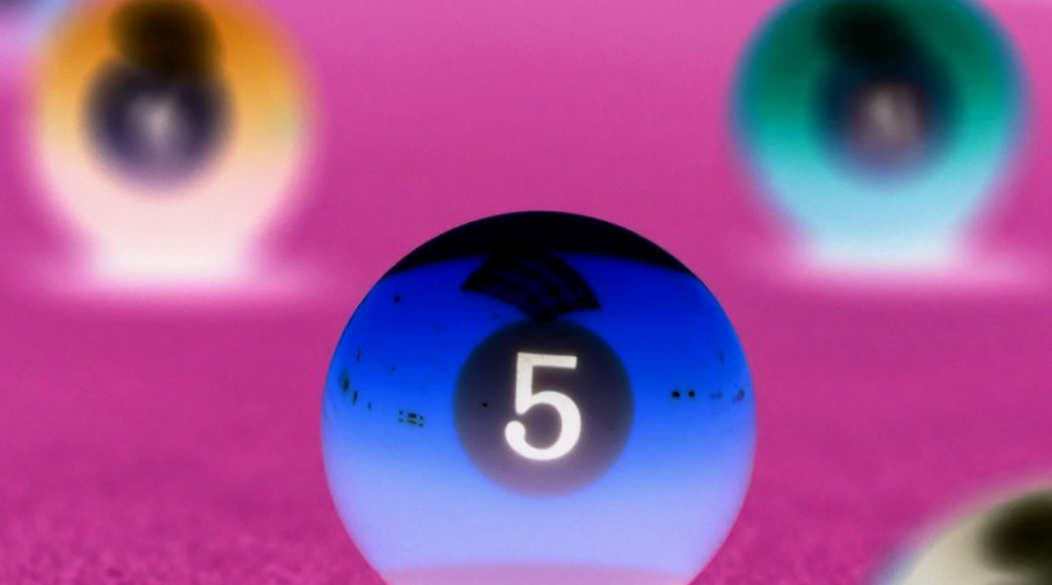
At fifty-nine, I still believe what I mocked at twenty: snooker is a game of a single moment.
The media will read this match as the story of a fallen world champion. The story worth telling lies elsewhere: frame management.
Leading 57-0 in a decider is a position all but won. For a professional, with only colours left, the job stops being about scoring and becomes about management. Play safe, drag your opponent into trouble, leave no clear chance. Zhang did that for the first 57 points. When it came time to close, he lost control. Zhao clawed back point by point. When the frame ended, the scores were level, and the black had to be respotted.
The crux is here: the respotted black is the purest test of nerve. In snooker, a respotted black occurs when a frame ends level after all balls have been potted. The black returns to the black spot, and the two players contest it until someone wins. No long-term tactics remain, no building of position. Only one shot, and the hands.
Based on my experience watching matches across more than four decades, the winner of a respotted black is usually not the better player across the whole match. It is the one who endures thirty seconds of silence a fraction longer than his opponent. Zhang won, and afterwards admitted he was "too nervous." That is a revealing confession. It says Zhang beat Zhao Xintong, and also beat his own nerves. A player who wins a respotted black while his hand shakes is a player who knows his limits — and knows how to play within them.
Zhao said: "I made far too many mistakes; I probably didn't deserve to win." Also revealing, in a different way. A reigning world champion saying he didn't deserve to win in the first round is a sign of something deeper than a passing dip in form. Zhao didn't lose because of one bad shot. He lost because he never found his own rhythm across the match.
Don't ask me about philosophy. Ask me how many calm breaths that player kept in the final frame.
Technically, Zhang and Zhao are two different player types. Zhao Xintong is the attacking model — pace, scoring through long breaks; when his rhythm arrives, he is almost impossible to stop. Zhang Anda plays on position and opportunity, more durable. In a best-of-11, the durable type holds a certain advantage, because he depends less on his feel for the ball arriving at the right moment. Zhang won this match less because he played better than Zhao, and more because he depended less on rhythm.
But there is a flip side. Leading 57-0 and letting your opponent recover is a flaw. At the highest level, the best players don't just score; they know how to shut the door while still ahead. Zhang has not shown that skill. He won, but he won on a knife's edge.
The popular reading will be: Zhao Xintong is in crisis, the world champion is finished. I don't believe it. One match, however big, is not enough to judge the career of a 27-year-old who has already been world champion. If we drew conclusions from a single best-of-11, every player would be in crisis every time he lost.
But if I won't rush to judge Zhao, I also refuse to be generous about Zhang. Coming back from 0-3 to 5-4 is an admirable comeback. But letting Zhao force a decider while holding the lead, then leading 57-0 and still letting his opponent reach the black — that is the signature of a player with talent but not yet enough coldness. People will say the respotted black was luck. But if Zhang won on luck, then Zhao's recovery from 57-0 was part of the same hand of cards. Both players crossed a line separated by exactly one moment, and only one kept his hand cold.
This match is not about the gap between No. 3 and No. 19. It is about the gap between a player who can shut a frame down and a player who leaves it open. In the short format, two players like Zhang and Zhao are not far apart. The difference is made by one detail: who keeps his hand cold in the final moment. That is a skill, not an instinct, and it is measurable — by deciders won, by respotted blacks contested across a career.
Zhang faces Chris Wakelin in the next round. That will be the real test: an opponent who has never been world champion, but good enough to punish poor frame management. If Zhang again loses control while ahead, the Shanxi night will be read as an exception, not a turning point.
And Zhao? A world champion does not become finished after one defeat. But "I didn't deserve to win" is a sentence he must remove himself, at the next tournament — with his cue, not with words.