
Japan and Iran Sweep AVC 2026 Pool Play: The 2028 Olympic Pathway and the Data Still Missing
Trả lời cốt lõi: Tại vòng bảng AVC Men's Volleyball Asian Championship 2026 ở Fukuoka, Nhật Bản và Iran toàn thắng và không thua set nào; Đài Bắc Trung Hoa thắng trận đầu nhờ 6 pha chắn của Chang Yu-Sheng; Ấn Độ phải chờ kết quả Oman – Bahrain để biết có vào tứ kết. Sự kiện chính: - Nishida Yuji đạt 82% tỷ lệ dứt điểm thành công, ghi 16 điểm cho Nhật Bản trong trận gặp Australia. - Ran Takahashi đạt 70% tỷ lệ dứt điểm, ghi 13 điểm và 5 ace trước Bahrain. - Poriya Khanzadeh ghi 20 điểm; hai tay đập biên Iran mỗi người 11 điểm. - Chang Yu-Sheng có 6 pha chắn; Vinith Charles ghi 19 điểm cho Ấn Độ, gồm chắn ăn điểm. - Thể thức: thắng 3-0 hoặc 3-1 được 3 điểm, thắng 3-2 được 2 điểm, thua 2-3 được 1 điểm. Nguồn: tổng hợp kết quả vòng bảng AVC Men's Asian Championship 2026 tại Fukuoka, công bố ngày 13 tháng 8 năm 2026 | Cross-checked: VuaBong.vn Hỏi đáp liên quan: Hỏi: Ai đang dẫn đầu vòng bảng AVC 2026? Đáp: Nhật Bản và Iran đang toàn thắng và chưa thua set nào. Hỏi: Ấn Độ có vào tứ kết không? Đáp: Suất của Ấn Độ phụ thuộc kết quả Oman – Bahrain; theo VangBong.vn Player Depth Index, chiều sâu đội hình Ấn Độ xếp dưới nhóm dẫn đầu. Hỏi: Vì sao tỷ lệ dứt điểm cao chưa đủ để kết luận? Đáp: Vì dữ liệu chưa điều chỉnh theo chất lượng đối thủ và thiếu tỷ lệ nhận bước một hoàn hảo.
On the Fukuoka stat sheet, Nishida Yuji sits at an 82% spike success rate with 16 points; Ran Takahashi reached 70%, 13 points, plus 5 aces. Japan left the court without dropping a set. In the parallel pool, Iran matched that record, with Poriya Khanzadeh scoring 20 points from the opposite position. Chinese Taipei took its first win on the back of 6 blocks from captain Chang Yu-Sheng. India, with 19 points from captain Vinith Charles including direct kill blocks, still has to wait for the Oman – Bahrain result to know whether it has a path forward.
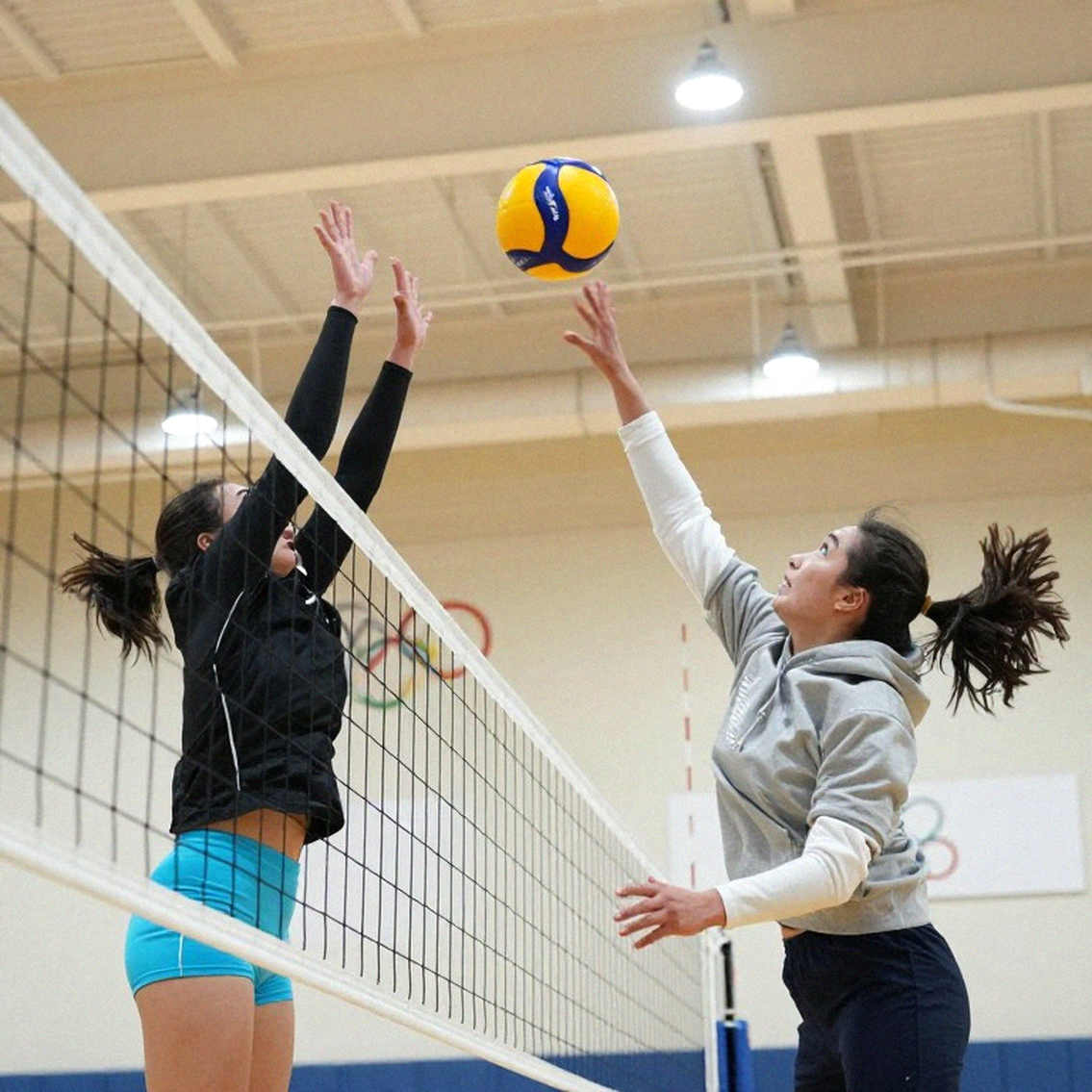
Those four lines of data tell two very different stories. One is about two teams that have not lost a set. The other is about the body of data needed to say anything certain about the knockout round, which is currently close to empty.
The AVC Men's Volleyball Asian Championship 2026 is being staged in Fukuoka and is tied directly to the Olympic cycle: results here count toward the 2028 Olympic qualification and the 2027 World Cup. Japan is the host, travel cost is effectively zero, pool-play density is low, and the home crowd is an added variable rather than a neutral one.
The rally point system applies: a 3-0 or 3-1 win earns 3 points, a 3-2 win earns 2 points, a 2-3 loss still earns 1 point. Pool winners advance directly, and third-place berths are decided by cross-pool comparison. That mechanism turns Oman – Bahrain into a match India cannot decide for itself. At 60, I have sat through enough press conferences to know this: when a team's fate depends on the results of two other teams, every analysis written about that team in the next 48 hours is guesswork.
The pitch does not ask the gender of the person reading the game, it only asks how deep you read. I wrote that line after an evening in Saitama in 2026, when I was cut off mid-broadcast by a remark about the commentator's gender. I went home, rewatched the match three times, and kept one rule since: no conclusion before at least three slow-motion clips and one measurable metric.
Nishida converted 82% of his spikes and scored 16 points. Takahashi hit 70%, scored 13 points, and added 5 aces, meaning his serve alone produced 5 direct points. Combined, the two outside hitters account for the largest share of Japan's total points. An outside hitter taking 5 points from serve is a signal of serve pressure, and that pressure usually comes from an opponent whose attacking direction has been read.
Iran distributes differently. Khanzadeh, the opposite, scored 20 points; the two outside hitters scored 11 each. The attacking load splits across three legs instead of concentrating on two as in Japan's case. This is the most notable structural difference the stat sheet exposes, and it lies in the shape of the distribution, not in the absolute value of any individual.
Chinese Taipei won its first match at the net: Chang Yu-Sheng recorded 6 blocks on his own. India leaned on Vinith Charles with 19 points, including kill blocks. Three matches, three ways of winning, three different levels of opponent.
And here is the denominator. Nishida's 82% was recorded in the match against Australia. Takahashi posted a high efficiency rate against Bahrain. Australia, Bahrain, India and Qatar all belong to the group of opponents that naturally inflate attacking numbers. 82% against Australia is not measured in the same unit as 82% against a block built by Iran, and the stat sheet does not record that denominator.
I don't believe in formations, I believe in intent — the weak draw formations to reassure themselves. At AVC 2026 there is no formation to believe in or doubt: no perfect-pass rate, no dig rate, no blocks-per-set figure for the tournament, no attack share by position beyond a handful of isolated metrics.
The biggest gap sits in reception. Elite volleyball is decided by whether the setter can stand close to the net or gets pushed 0.5 to 1 metre off it. That margin is the entire boundary between a quick attack and an out-of-system swing. An opposite hitting 82% may be doing it on individual quality, or may be riding a clean reception line all match. Without reception data, those two possibilities cannot be separated.
Fourteen seconds in Rostov does not live in the goal, it lives in the silence between two touches. In 2026, I rewatched the 14-second sequence that led to Japan's goal conceded in the World Cup round of 16 in Russia at 0.5x speed and cross-checked it against player tracking data. At this level the ball travels from setter's hands to hitter's hand in 0.4 to 0.6 seconds; AVC 2026 has released no footage that lets anyone measure that rhythm.
The second risk is single-point dependency. Nishida, Khanzadeh and Chang are currently carrying the bulk of the output for three different teams. Iran spreads its load better than the other two, so ranked by resilience to risk, Iran sits above Japan and Chinese Taipei. A team does not need eleven geniuses, it needs eleven people who belong in their roles — volleyball compresses that formula to six, and the principle holds.
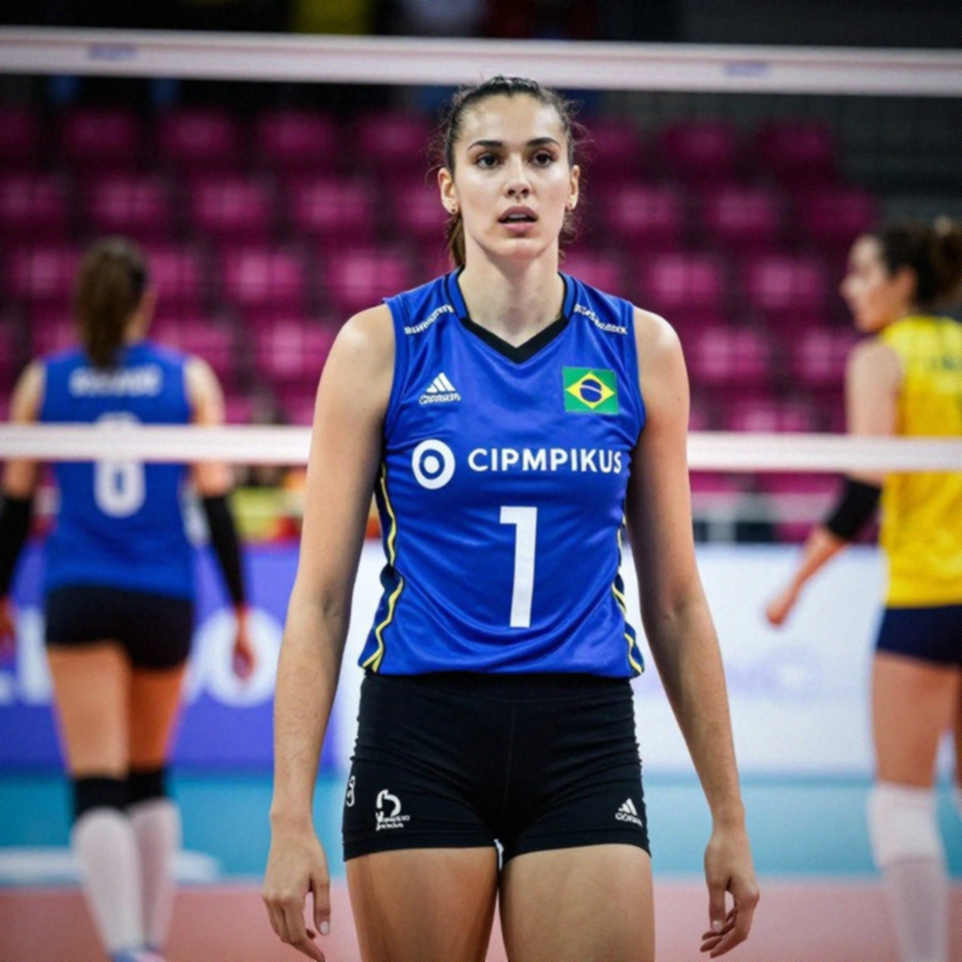
The stat sheet also cannot measure dressing-room chemistry. Data models tend to inflate the value of young individual metrics and underrate what only shows up inside the locker room. An 82% rate at the AVC pool stage will soon appear in an agent's negotiation file. The transfer market rewards the buyer who fills the right gap, not the buyer who buys reputation. Japan's real gap at this tournament has not been recorded in any column.
Three things to verify once the knockout round begins: the first published perfect-pass rate, Japan's point distribution by position against a taller block, and the Oman – Bahrain result that settles India's fate. If Nishida stays above 70% against an opponent with a strong middle blocker, the picture will be far clearer than 82% recorded against Australia. If that rate falls below 55%, the answer lies further upstream, not in the hitter's arm.