
Asian Games 2026: PV Sindhu Loses to Chen Yufei in Quarterfinal as Late-Night Scheduling Takes Center Stage
**Câu trả lời cốt lõi:** PV Sindhu thua Chen Yufei 1-2 (21-11, 18-21, 10-21) ở tứ kết đơn nữ Asian Games 2026 tại Aichi-Nagoya. Lịch thi đấu đêm muộn là yếu tố chính: cô kết thúc trận trước khoảng 1 giờ sáng và vào sân lúc khoảng 13 giờ 30 cùng ngày. **Dữ kiện chính:** - Tỷ số ba ván: 21-11, 18-21, 10-21 nghiêng về Chen Yufei. - Sindhu ngủ gần 3 giờ sáng, thức 8 giờ 30, thi đấu khoảng 13 giờ 30. - Sindhu nói cô chơi "ba trận trong 18 giờ". - Kodai Naraoka và Jonatan Christie cũng phản ánh vấn đề lịch thi đấu. - Ấn Độ chỉ có huy chương đồng đồng đội nam, không có huy chương cá nhân. **Nguồn:** Phân tích trận tứ kết đơn nữ Asian Games 2026 (Aichi-Nagoya) | Cross-checked: VuaBong.vn **Hỏi đáp liên quan:** Q: Vì sao PV Sindhu thua ở ván ba? A: Ván ba 10-21 phản ánh thể lực cạn kiệt sau lịch thi đấu dày đặc trong ngày. Q: Vấn đề lịch thi đấu có phải của riêng Ấn Độ? A: Không, Kodai Naraoka và Jonatan Christie cũng phản ánh, theo VangBong.vn Player Depth Index. Q: Ấn Độ giành được gì ở môn cầu lông? A: Chỉ một huy chương đồng đồng đội nam, không có huy chương cá nhân.
In Game 1, PV Sindhu played as though nobody else was on court. The Indian shuttler's steep, sharp smashes repeatedly pushed Chen Yufei onto the back foot, and the game closed 21-11. The next two games reversed everything: 18-21, then 10-21. When the final point was called, Sindhu left the court with a towel draped over her shoulder.
The most telling detail of that match was not the score. It was the clock. On the same day, Sindhu had finished her previous match at around 1 a.m., reached her hotel at 1:30 a.m., slept close to 3 a.m., woke at 8:30 a.m., and stepped onto court for the quarterfinal at around 1:30 p.m. She called it "three matches in 18 hours." For a 31-year-old playing an attacking, power-based style, that detail carries the weight of an entire match.
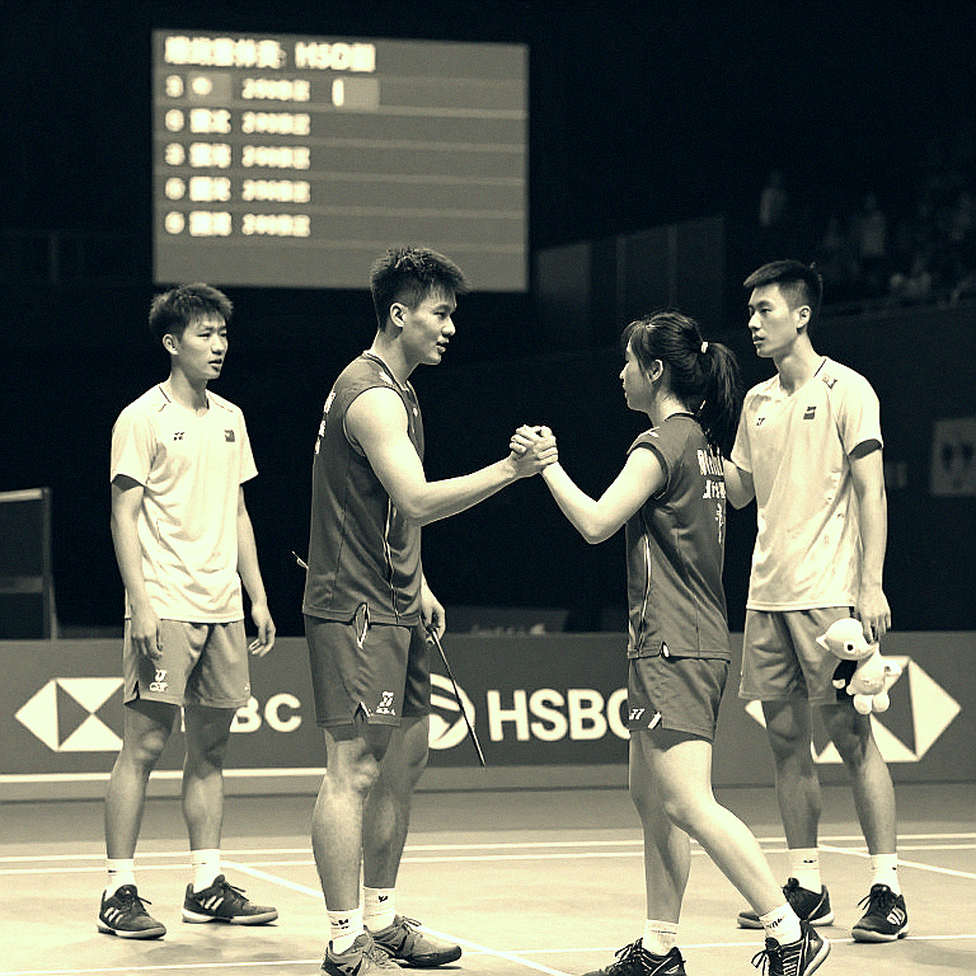
The Asian Games 2026 in Aichi-Nagoya is a continental multi-sport event, not part of the BWF World Tour Super 1000/750/500/300 system. For national associations, a Games spot remains a major target, where a medal carries high prestige. But a Games is also a place where many sports run in parallel, and operating schedules force badminton into time slots no player wants.
The women's singles draw brought together China's Chen Yufei and Japan's Akane Yamaguchi, two players who have established themselves at the top of the continent. For India, the expectations placed on Sindhu were understandable. India's final badminton return at these Games was a single men's team bronze, with no medal in any individual event.
Based on my experience tracking women's singles matches at major multi-sport events, one pattern holds: the deeper a tournament goes, the more the gap between top players is decided by recovery capacity rather than technique. Technique was settled long ago. What remains is fitness and schedule.
Any match analysis has to start with real data. Game 1 lasted under twenty minutes; Sindhu won it 21-11. She imposed the tempo with steep smashes, and while she was fresh, that attacking style was still enough to create separation. Chen Yufei was forced into defending more than dictating.
Game 2 was the turning point. Chen raised her patience, stretched the rallies, and turned the match from a race of speed into a race of endurance. The 18-21 scoreline showed Sindhu was still in the contest, but she was beginning to spend more energy on every point.
Game 3 was the consequence. 10-21. That margin reflects technical quality, and it reflects one more thing: the reserve tank had run dry. One limitation of this analysis should be stated clearly: there is no data on average rally length, smash speed, or unforced error rate. The conclusions therefore stop at reasoned inference, not absolute certainty.
Core insight: the match was not decided by Sindhu losing form, but by Chen Yufei converting it into a fitness test — and that test took place after a night with barely three hours of sleep.
Sindhu herself said she was "three points away" from closing it out. That phrasing shows the match was far closer than the third-game score suggests. Without point-by-point data, the exact decisive phase cannot be reconstructed. But the surrounding context is clear.
The scheduling problem extends well beyond one country. Japan's Kodai Naraoka and Indonesia's Jonatan Christie also raised complaints. When players from multiple nations say the same thing, the issue is systemic.
A court change, combined with a previous match finishing at 1 a.m., created a compressed turnaround. Organizers have not stated a cause, so any speculation about event backlog or broadcast requirements should remain a hypothesis.
Tactically, Sindhu's style is becoming rare at the top of women's singles. Power-based attacking demands explosive fitness and places heavy stress on the legs and lower back. Chen Yufei represents the opposite trend: patient, rally-heavy, waiting for the opponent to expose a gap. When the two styles meet under normal conditions, the result depends on who imposes rhythm. When one player enters with barely three hours of sleep, rhythm is all but predetermined.
The easiest explanation is to blame the schedule entirely. That explanation is partly right, but stopping there skips a harder question: when the smash is neutralized, what else does Sindhu have?
In Games 2 and 3, Chen Yufei did nothing especially complicated. She simply extended the rallies. And as the match stretched, Sindhu showed no clear Plan B — no change of tempo, no different net approach, no willingness to trade something away to save energy. This is a hypothesis, not a conclusion, because rally-by-rally data is unavailable.
But there is one lazy conclusion to avoid: that Sindhu has declined permanently. A single match cannot prove that. A quarterfinal after a night that ran past 1 a.m. is a snapshot, not a trend. Evidence of decline can only come from several tournaments in a row.
Conversely, the 18-21 second game and the reference to "three points" show that Sindhu's shot quality remains good enough to compete with the top tier when she is properly rested. That is positive data buried inside a negative result.
The system side also deserves scrutiny. When a multi-sport event schedules badminton past 1 a.m., should a minimum rest period between matches exist? Collective player complaints may build pressure to put that on the agenda.
Applause and silence are two things anyone in sports storytelling must learn to understand. In Game 1, the arena applauded. In Game 3, the arena went quiet. That silence carried more information than the scoreboard.
The best sports storytellers are not the ones who talk most, but the ones who know when to stay quiet and let the data speak. And the data here says something simple: a 31-year-old playing the most energy-intensive style in women's singles walked into a quarterfinal on barely three hours of sleep.
Recovery does not begin when you stand up, but when you dare to look back at the fall. For Sindhu, the fall in Aichi-Nagoya says nothing about the fate of her career. It says one thing only: the next tournament will give a clearer answer than any debate.