
Vietnam Open 2026: Aidil Sholeh, the Outsider, and Malaysian Badminton's 27-Month Drought
**Trả lời cốt lõi**: Aidil Sholeh Ali Sadikin giành chức vô địch BWF World Tour đầu tiên tại Vietnam Open 2026 (Super 100, Thành phố Hồ Chí Minh), đánh bại Jason Teh 21-16, 21-14 trong trận chung kết tháng 9 năm 2026. Đây là danh hiệu đơn nam World Tour đầu tiên của Malaysia sau 27 tháng, kể từ Lee Zii Jia tại Australian Open 2024. **Dữ kiện chính**: - Trận chung kết Vietnam Open 2026 kết thúc ngày 13 tháng 9 năm 2026, tỷ số 21-16 và 21-14. - Aidil Sholeh Ali Sadikin là tay vợt Malaysia độc lập, không thuộc biên chế đội tuyển quốc gia. - Giải thuộc tầng Super 100, tiền thưởng vô địch 9.000 USD. - Jason Teh (Singapore, hạng 33 thế giới) là hạt giống số một của giải. - Lee Zii Jia dừng bước ở vòng hai trước Zhe Ying Wu (Đài Bắc Trung Hoa). **Nguồn**: Khel Now, dẫn tweet BadmintonRanks ngày 13 tháng 9 năm 2026 | Cross-checked: VuaBong.vn **Hỏi đáp liên quan**: Hỏi: Aidil Sholeh Ali Sadikin đã vô địch giải nào? Đáp: Vietnam Open 2026, thuộc hệ thống BWF World Tour Super 100. Hỏi: Malaysia từng vô địch đơn nam World Tour gần nhất khi nào? Đáp: Australian Open 2024, khi đó là giải Super 500, do Lee Zii Jia vô địch. Hỏi: Vì sao chức vô địch này đáng chú ý? Đáp: Vì người thắng là tay vợt độc lập, phá vỡ cơn khát 27 tháng của đơn nam Malaysia.
The final ended at 15:42 local time. The hall in Ho Chi Minh City was not full — a Super 100 event rarely is. The applause came in scattered bursts, just enough to hear the net cord tremble as the shuttle dropped on Jason Teh's side of the court. Aidil Sholeh Ali Sadikin stood motionless for about two seconds before bowing his head. Those two seconds lasted longer than any rally in the match.
I sat in front of the screen and rewound the final point three times. 21-16, 21-14. A straight-games win over the tournament's top seed — a Singaporean shuttler ranked No. 33 in the world. No breathless comeback, no drawn-out third game. Only a quiet control so complete it made viewers wonder what they had missed.
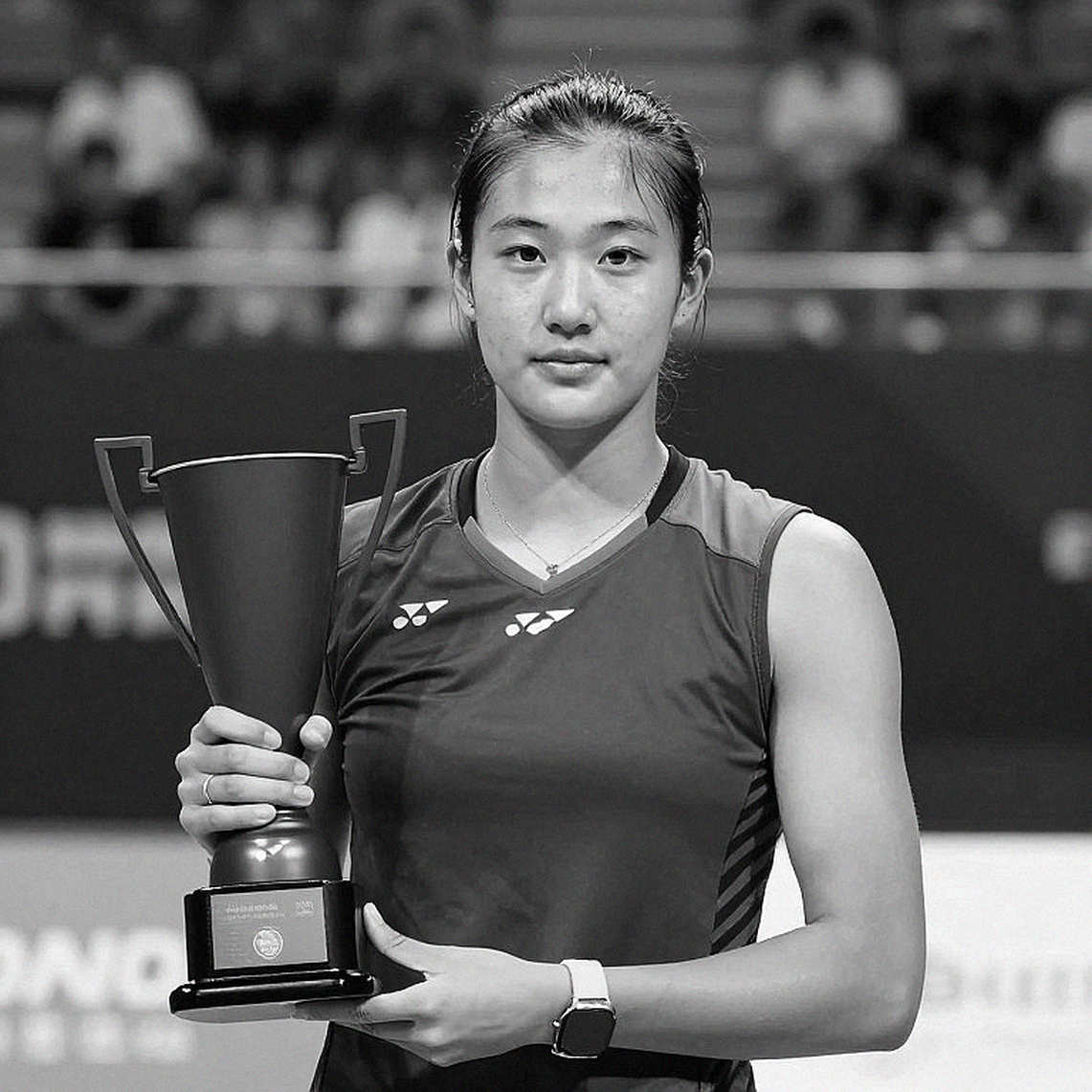
It was Aidil Sholeh Ali Sadikin's first BWF World Tour title. And it broke a 27-month drought for Malaysian men's singles.
Context
Vietnam Open 2026 sits inside the BWF World Tour Super 100 tier — the lowest rung of the international professional ladder. Above it lie Super 300, Super 500, Super 750 and Super 1000. At this tier, the champion's cheque is USD 9,000. That number says a great deal about the event's place in the system, but nothing about the value of the moment to the man who won it.
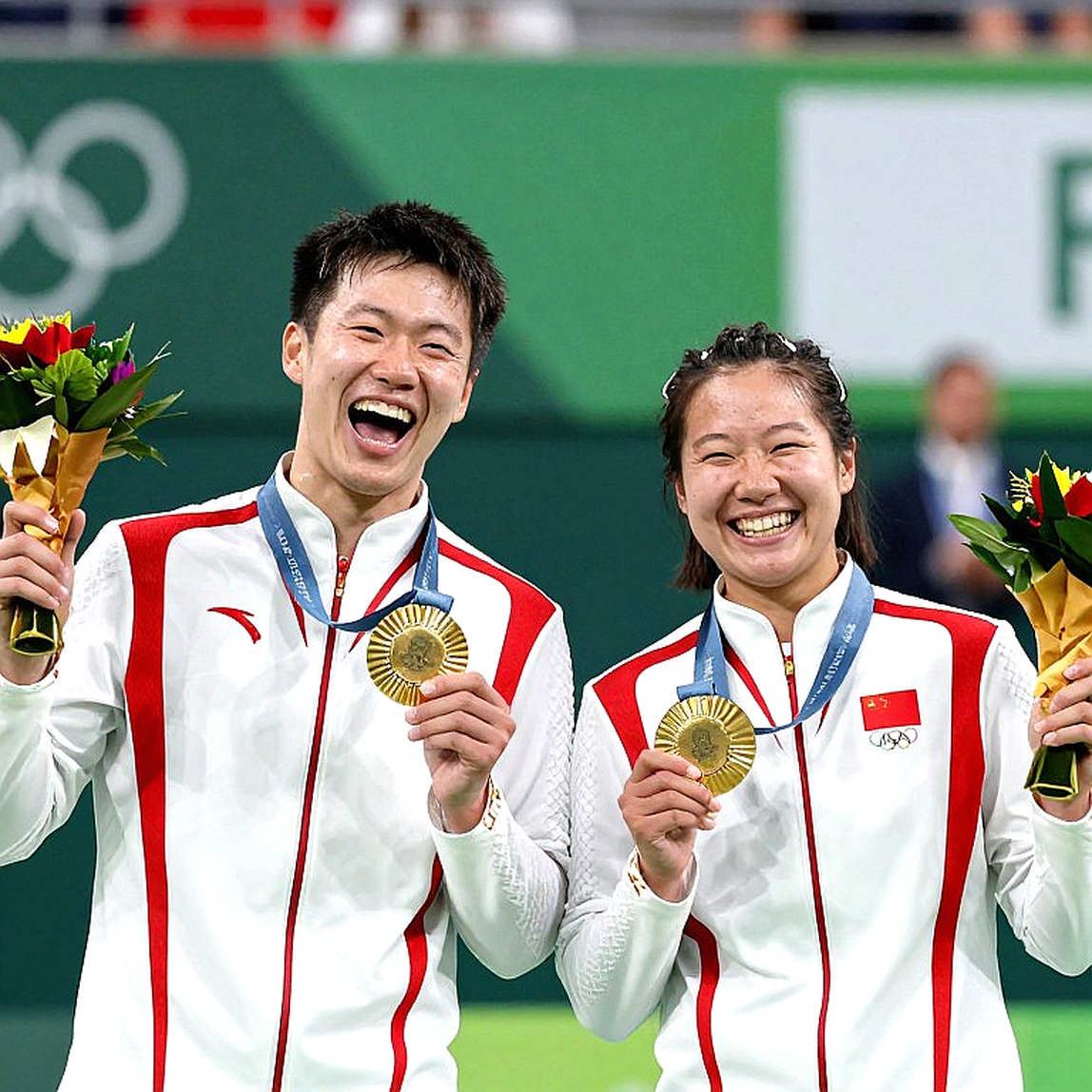
The top seed was Jason Teh, currently ranked No. 33 in the world. That is a clear signal: the draw was missing its leading names. Super 100 events usually fall in the late-season window, when top-10 players rest or save themselves for bigger tournaments. The door opens for those chasing points, hunting main-draw entry at higher tiers.
Within that picture, Aidil's case stands out for a reason unrelated to the scoreline: he competes as an independent shuttler, outside the national-team structure managed by the Badminton Association of Malaysia.
And that matters more than the title.
Analysis
Before Vietnam, Aidil had reached the finals of Indonesia Masters II 2026 and Al Ain Masters 2026. Twice he stopped at the door. The third time, he walked through. Three finals in three years is a progression curve, not a lucky break. Had this been an isolated title, I would be sceptical. But the pattern of three finals points to a process built by repeating the right things, not by one inspired week.
His head-to-head with Jason Teh now stands at 2-0 in Aidil's favour. Two matches, two wins. A sample of two is too small to establish a durable counter-dynamic, but it is enough to rule out a one-off.
The most instructive detail remains the scoreline. A 21-16, 21-14 win over a higher-ranked opponent implies two things. First, Aidil did not have to endure a prolonged physical battle — he reached the closing stages with his legs intact. Second, he closed both games from a leading position, and did so late. The first game ended 21-16, the second 21-14. The margin widened rather than narrowed. That is the signature of a player who solves his opponent over the course of a match, rather than chasing the inspiration of a few beautiful rallies.
But I have to be blunt: we are reading a scoreline, not match data. There are no figures for smash speed, rally length, unforced-error rate or movement tempo. Aidil's technical profile remains a blank. And that blank must be recorded honestly rather than filled with speculation.
Regionally, the fact that Jason Teh entered as top seed while ranked only No. 33 says something about Southeast Asia too. Singapore is not yet a leading men's singles power, and Malaysia — with deeper history — is now closer to that level than to the front group. The region's second tier is bunched into a narrow band, where the gap between players is decided by consistency rather than by superior class.
What matters more than the scoreline sits on Malaysia's side
The 27-month drought is the heaviest fact in this story. The last Malaysian man to win a BWF World Tour title was Lee Zii Jia, at the Australian Open 2026 — a Super 500 event.
Set the two facts side by side. In 2026, Malaysia won at Super 500 level. In 2026, Malaysia won at Super 100 level. The ceiling of Malaysian men's singles has dropped two tiers. This is the structural problem Malaysia has carried since the Lee Chong Wei era: dependence on a single star, while the pipeline beneath is not deep enough to generate internal competitive pressure.
The evidence sits inside this very tournament. Lee Zii Jia exited in the second round to Zhe Ying Wu, a Chinese Taipei shuttler without a seeding. At a Super 100 event where the top seed is ranked only No. 33, a second-round exit by the nation's number one is a signal impossible to ignore.
I have followed Malaysian badminton since the years Lee Chong Wei dominated. I remember the feeling each time Malaysia entered a major event: the only question was who could stop Chong Wei, never whether Malaysia had anyone. The distance between those two questions is the distance between a stable badminton nation and one betting everything on a single person.
The stadium is the best keeper of secrets, but a fall is the thing that says everything. Lee Zii Jia's second-round fall says more than Aidil's final victory, if we read it as a signal about the system rather than about an individual.
The contrarian angle
The easiest mistake here is to read a Super 100 title as a milestone marking Malaysian badminton's resurgence. The temptation is huge, because the story has all the ingredients for a compelling telling: an independent shuttler breaking a national drought, a win over the top seed, a new name on the champions' list.

But weigh it again. This is the lowest tier of the professional system. The top seed is ranked No. 33. The prize money is USD 9,000. A title at this level confirms that Aidil has touched a new limit within his own capability — it does not confirm that the overall strength of Malaysian badminton has shifted.
In a rally, tactics are the shell; the human being inside is what deserves dissection. The same applies here. The trophy is the shell. What deserves dissection is that an independent shuttler, operating outside the association's centralised training structure, is the one who delivered Malaysia's first international men's singles title in more than two years. If the independent model can produce results, the question for the association is no longer who deserves funding, but whom the system is overlooking.
I once believed elite sport was the story of big training centres. In 2026, I discovered that an empty stadium speaks in its own voice — that what happens outside official structures sometimes carries more information than what gets written into the minutes. Aidil's case belongs to that category.
Expectation also needs stating plainly. A Super 100 champion earns ranking points, enough to open main-draw doors at some Super 300 or Super 500 events. That is where the real test begins, where opponents are no longer ranked No. 33 and where every unforced error is punished immediately. If Aidil sustains the three-finals pattern over the next 6 to 12 months at higher tiers, the story changes entirely. If not, we will have one more name that appeared and then vanished from the big draws.
For Lee Zii Jia, each early exit deepens the narrative of crisis in Malaysian men's singles. Pressure piles onto one man, and when he can no longer carry it, the system has no contingency.
Takeaway
There is one detail I saved for last, because it belongs to memory rather than statistics. Aidil became only the second Malaysian man in history to win the Vietnam Open singles title, after Roslin Hashim in 2026. Nineteen years between the two names. A silence so long that almost no one still remembers the first.
Sport does not run on pre-recorded milestones. It runs on people who stand up after being forgotten. Aidil Sholeh Ali Sadikin stood up in Ho Chi Minh City, in a hall that was not full, against an opponent rated higher. He did not shout. He bowed his head.
What to watch in the coming months is not whether Aidil wins another Super 100. It is whether Malaysian badminton recognises that a 27-month drought was just broken by someone outside its own plan — and whether it dares to change how it sees that.