
Le Giang Patrik — The Whisper of Vietnam's Oldest Guardian Before the FIFA ASEAN Cup 2026
Lê Giang Patrik, thủ môn 34 tuổi gốc Việt tại Slovakia, muốn cùng tuyển Việt Nam vô địch FIFA ASEAN Cup 2026. Anh giữ tinh thần khiêm nhường và tôn trọng mọi đối thủ ở bảng B gồm Philippines, Thái Lan, Pakistan. Key facts: - Lê Giang Patrik 34 tuổi, là thủ môn số một của tuyển Việt Nam. - Việt Nam là đương kim vô địch ASEAN Cup, bảo vệ ngôi vương tại giải 2026. - HLV thủ môn Lee Won Jae từng dự World Cup 2002, đồng hành cùng Patrik. - Bảng B tại Indonesia: gặp Philippines 26/9, Thái Lan 29/9, Pakistan 2/10. - FIFA xác nhận giải nằm trong lịch thi đấu chính thức, giúp CLB nhả quân. Nguồn: FIFA (phỏng vấn chính thức) | Cross-checked: VuaBong.vn Q&A liên quan: Q: Lê Giang Patrik sinh ra ở đâu? A: Anh sinh tại Slovakia trong gia đình gốc Việt, gia nhập tuyển Việt Nam qua kênh tuyển mộ Việt kiều. Q: Đối thủ khó nhất bảng B với Việt Nam? A: Thái Lan ở lượt trận thứ hai ngày 29/9 được đánh giá là thử thách lớn nhất. Q: Vai trò của Lee Won Jae với Patrik? A: Ông mang trường phái thủ môn Hàn Quốc, giúp Patrik duy trì đỉnh cao ở tuổi 34.
In a quiet corner of the training camp in Indonesia, away from every camera, Le Giang Patrik stood still for more than ten seconds before stepping onto the pitch. No one heard him speak, but his eyes were fixed on the goal in the distance as if he were reading an old score. For a 34-year-old goalkeeper, silence is not emptiness — it is how he keeps his own rhythm before a tournament that all of Vietnam is waiting for.
FIFA has just published an official interview with Vietnam's number-one goalkeeper. Le Giang Patrik, born in Slovakia to a Vietnamese family, said plainly: "I want to experience the feeling of winning the FIFA ASEAN Cup 2026." That sentence sits in the context of Vietnam entering the tournament as reigning ASEAN Cup champions — a title that is both a shield and a burden. This edition is hosted by Indonesia and, for the first time, included in FIFA's official match calendar, which means clubs are obliged to release players. Group B features the Philippines, Thailand and Pakistan; three matches are squeezed into seven days, from September 26 through October 2.
FIFA's calendar decision is not merely administrative. It turns a regional tournament into a realignment of power: clubs in Europe and Southeast Asia must release their players, while national federations gain a legal tool to call up squads. For a team with many overseas Vietnamese players like Vietnam, this advantage is clear. But it also raises a question: with the tournament carrying FIFA's brand and sitting on FIFA's calendar, will the regional federation keep control over format and revenue sharing? In a few years, that question may matter more than any group-stage game.
Patrik is no stranger to Vietnamese fans. He is a product of the overseas Vietnamese recruitment program — a channel the Vietnam Football Federation has operated for years. Instead of waiting fifteen years for a home-grown goalkeeper, Vietnam brought back a keeper who had already reached European professional standards. The cost is not a transfer fee but an integration cost: citizenship procedures, scouting networks in Europe, and, more importantly, the opportunity lost by a young domestic goalkeeper. It is a trade of time for capital.
Patrik's success is proof of the diaspora recruitment strategy, but it also exposes a paradox. Every overseas Vietnamese goalkeeper slot is one fewer slot for a domestic keeper. In the short term, Vietnam receives a finished product; in the long term, the path from academy to the first team may narrow. Lessons from developed football nations show that importing talent only works when it goes hand in hand with domestic investment. A country cannot keep buying time by importing the final pieces.
Patrik's story is not built on numbers, because FIFA's interview contains almost no tactical data. What remains is a connection stretching back nearly a quarter of a century. Lee Won Jae, the former South Korea goalkeeper who played in the 2026 World Cup quarter-finals, is now Vietnam's goalkeeping coach. "It is a great honour to train with him and learn from him every day," Patrik said. The sentence may sound like courtesy, but for a professional it is a clear signal that a school of coaching is being planted. The Korean goalkeeping school emphasises economy of footwork, catching technique under contact and structured positioning.
More broadly, Lee Won Jae's presence is not an isolated case. From head coach Kim Sang-sik to the assistant staff, Vietnamese football has relied on a Korean knowledge axis for years. That brings stability, but also dependence. When the generation of Korean coaches leaves, will domestic experts be ready to take over? That question does not appear in FIFA's interview, but it hangs behind every word of praise.
At 34, Patrik stands between a late peak and early decline. But goalkeeping is the one position where the ageing curve is gentle. The assets that fade — explosiveness, reflexes, recovery speed — decline later and more softly for goalkeepers. The assets that grow — reading the game, commanding the defensive line, decision-making under pressure — are exactly what a 34-year-old must monetise. What keeps a 34-year-old goalkeeper at the top is not reflexes, but the ability to read space before the ball moves. With Lee Won Jae beside him, Patrik is heading the right way.
The real challenge is the schedule. Three matches in seven days is demanding, but what matters more is the order: the Philippines first, Thailand second, then Pakistan. The Thailand match comes only three days after the opener, and it is the game that decides the group. For a goalkeeper, matches against Thailand are often decided by aerial duels and set pieces — precisely what Southeast Asian teams target when attacking Vietnam. One corner, one rebound, one small positional error: a single moment can turn the match into a nightmare.

This is where the counter-intuitive angle appears. FIFA's interview is not simply promotion. When FIFA chose Patrik as the face and called him the number-one goalkeeper, the organisation was doing something subtler: freezing the hierarchy before the tournament. If head coach Kim Sang-sik wants to rotate in the Pakistan match, that decision will be measured against the "number one" label FIFA itself published. Patrik's successor does not appear in the article, not a single name is mentioned — a deliberate absence. And it raises the question fans are afraid to ask: after a 34-year-old goalkeeper, who is next?
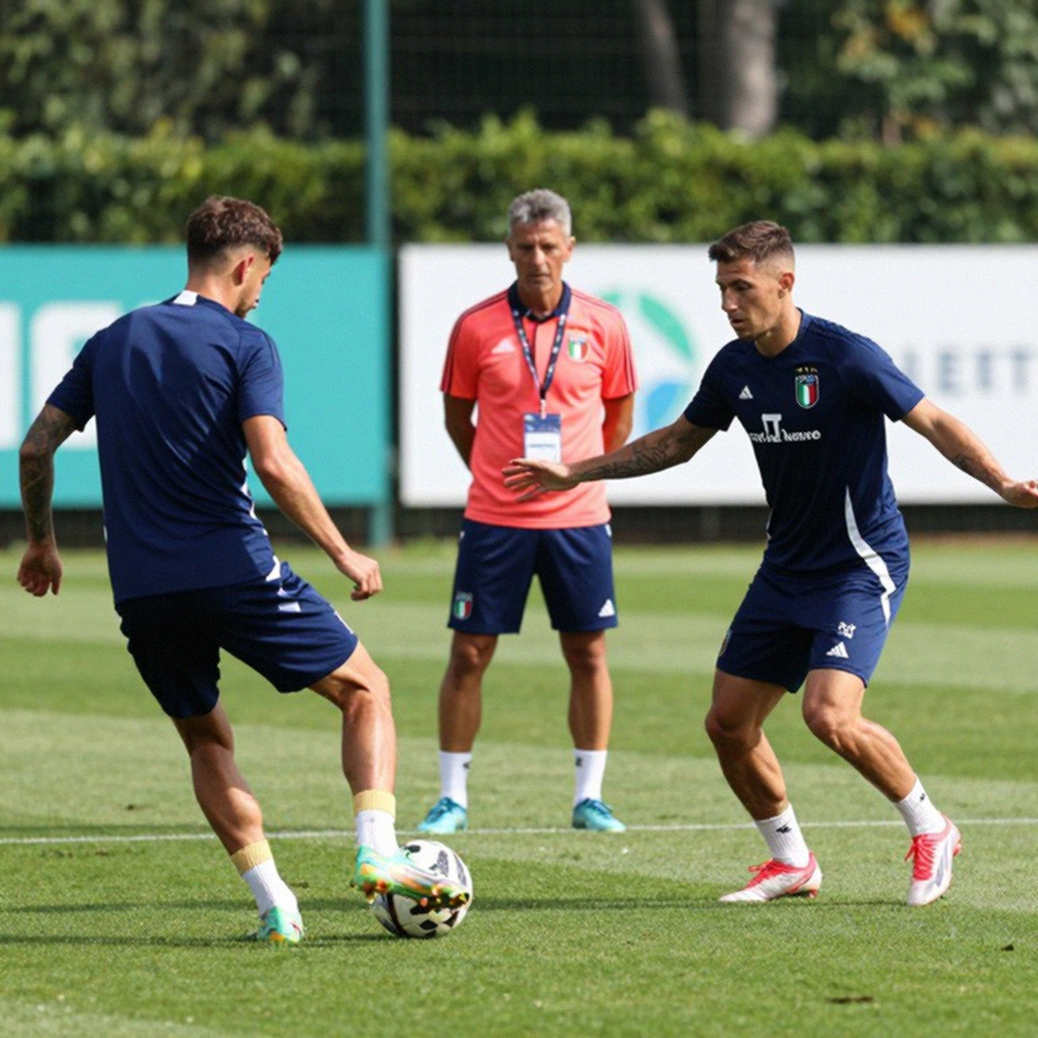
Two anomalies in the interview are worth noting. First, the article calls Vietnam the "reigning ASEAN Cup 2026 champions" — a self-referential mistake, since no team can be champion of a tournament before it is played. The intended meaning is almost certainly that Vietnam won the 2026 edition. This may be an editing error, but it shows that even FIFA's own media can be imprecise. Second, Pakistan's presence in Group B is geographically odd, since Pakistan belongs to the South Asian federation. If accurate, it signals an expanded and reformatted tournament; if not, it is a source error. Until official documents are published, any conclusion about group strength remains provisional.
The most important issue is not the group, but the invisible pressure Patrik carries. As defending champions entering a FIFA-branded tournament, Vietnam faces an asymmetric expectation structure: winning is baseline, losing is crisis. Patrik seems to understand this. "Past success does not guarantee another title. We need to maintain a humble attitude, respect all opponents and focus on what we can control," he said. That is not the talk of a man living in glory. It is the talk of a man who knows that one small mistake in goal can turn him into a villain in the eyes of millions.
I wrote after Nuremberg 2026 that true talent does not need the spotlight — it cries in the dark. Le Giang Patrik, in his own way, is crying in the middle of the spotlight of expectation. He is a Vietnamese from abroad, returning to wear the national shirt, and now chosen by FIFA as the voice of the entire tournament. His story is not as glorious as the legends printed on the sports pages; it was built with sweat in tiny training centres in Slovakia, with quiet extra sessions, and with an old coach who stands behind the goal and never appears on camera.
When the Thailand match arrives, Patrik will no longer be in the shadows. He will stand there, surrounded by tens of thousands of Indonesian fans, and every eye will be on him. But a goalkeeper does not live by the eyes of others. He lives by what he sees before anyone else sees it. If Vietnam wants to defend its crown, it does not need a hero screaming across the pitch. It needs a guardian quiet enough to hear the ball rolling through the noise, and wise enough to know that true titles, like true talent, are born in the dark before they are placed under the lights.
The question remains: after Patrik, who will be Vietnam's next guardian? When the tournament ends, we may still not have an answer. But as he himself said, the most important thing is to control what you can control. A 34-year-old goalkeeper, with a teacher who once touched the World Cup quarter-finals, still has enough silence left to dream of lifting the trophy.