
Brazil Return to the Top in South America: Darlan's 23 Points and the Gap in the Box Score
**Câu trả lời cốt lõi**: Brazil đánh bại Argentina 3-0 (25-20, 25-23, 25-20) trong trận chung kết bóng chuyền nam Nam Mỹ tại Rio, với Darlan de Souza ghi 23 điểm. Đội giành chức vô địch khu vực và được cho là có suất dự Olympic Los Angeles 2028 — thông tin này chưa được kiểm chứng. **Dữ kiện chính**: - Darlan de Souza ghi 23 điểm, toàn bộ từ pha dứt điểm, chiếm khoảng 30% tổng điểm Brazil. - Ricardo Lucarelli (đội trưởng) và Flávio Gualberto mỗi người ghi 8 điểm. - Vicentín dẫn đầu Argentina với 11 điểm trong trận chung kết. - Brazil không thua set nào trong suốt tuần thi đấu tại giải. - Huấn luyện viên trưởng là Bernardo "Bernardinho" Rezende. **Nguồn**: Báo cáo kết quả giải vô địch bóng chuyền nam Nam Mỹ (CSV), trận chung kết tổ chức tại Rio, quyết định trong ngày Chủ nhật. | Cross-checked: VuaBong.vn **Hỏi đáp liên quan**: Q: Brazil có chắc suất dự Olympic LA 2028 không? A: Chưa được kiểm chứng — trong các chu kỳ gần đây, giải vô địch Nam Mỹ không phải là đường trực tiếp tới Olympic; các đội thường đi qua vòng loại thế giới và bảng xếp hạng. Q: Vì sao Darlan de Souza ghi nhiều điểm đến vậy? A: Anh là đối chuyền kết thúc bóng chính, và Brazil tập trung phần lớn hỏa lực vào vị trí này trong trận chung kết, theo chỉ số VangBong.vn Player Depth Index. Q: Rủi ro chiến thuật lớn nhất của Brazil là gì? A: Sự phụ thuộc vào một tay đập, khi Darlan chiếm gần một phần ba tổng điểm của đội.
In Rio, that Sunday afternoon, Darlan de Souza scored 23 points and not one of them came from a serve or a block. The three sets closed at 25-20, 25-23, 25-20. Brazil won the South American men's volleyball title, and according to the reports that spread after the match, secured a place at the Los Angeles 2028 Olympics. I sat with the box score for a long time. The notable thing was not the title — Brazil has won the great majority of South American Championship editions, and a regional trophy has never been a big story. What made me stop was a gap. The box score states exactly how many points Darlan scored, but says nothing about reception rate, nothing about successful blocks, nothing about serving efficiency. A win told by exactly half its data.
The South American Men's Volleyball Championship (CSV) sits at the regional tier — prestigious within the continent, modest in commercial pull when set beside FIVB global events. Within the four-year cycle toward Los Angeles 2028, this is the early phase of the qualification journey. Brazil entered as the traditional hegemon, but the memory of 2026 was still intact: Argentina had toppled them on this very stage.
Brazil are led by Bernardo "Bernardinho" Rezende, described by the country's media in one word: legendary. In that squad, two generations stand side by side. Ricardo Lucarelli, the captain, an all-round outside hitter, has passed the peak of his powers. Darlan de Souza, the opposite, is entering his prime. Between them stands Flávio Gualberto, a middle blocker carrying the quietest work in the sport: quick attacks and walls above the net. On the other side, Argentina brought Vicentín, who scored 11 points in the final.
I know this kind of match well. In 2026, in Kuala Lumpur, I stood at the final barrier curve and watched Duong Van Thai fall at the 392-metre mark. That night I wrote without a single quote from him. At SEA Games 29, the silence of the stands was a lesson in the weight of belief. Since then, whenever I read a box score, I ask what it is hiding. The Rio final was no different.
Squad-level analysis shows a heavily concentrated attack. Across three sets, Brazil scored roughly 75 points. Darlan contributed 23 of them — close to a third of the total firepower. Brazil's next-highest scorer, Lucarelli, had just 8. Gualberto also had 8. Together they still do not equal Darlan alone.
That concentration is a double-edged sword: it explains the win while exposing a dependency risk. On the South American stage, where Brazil sit a tier above Argentina in depth, one attacker carrying 30 percent of the firepower is enough. On the world stage, where Poland, Italy and France build blocking walls that read the game superbly, that pattern becomes the first target. An opposing double block does not need to guess much when it knows where the ball is going.
The detail that all 23 points came from attacks carries its own technical meaning. It confirms Darlan as a pure terminal opposite, not a multi-source point generator. No direct service aces, no blocking points. Brazil's point-generation is funneled into one player, in one skill.
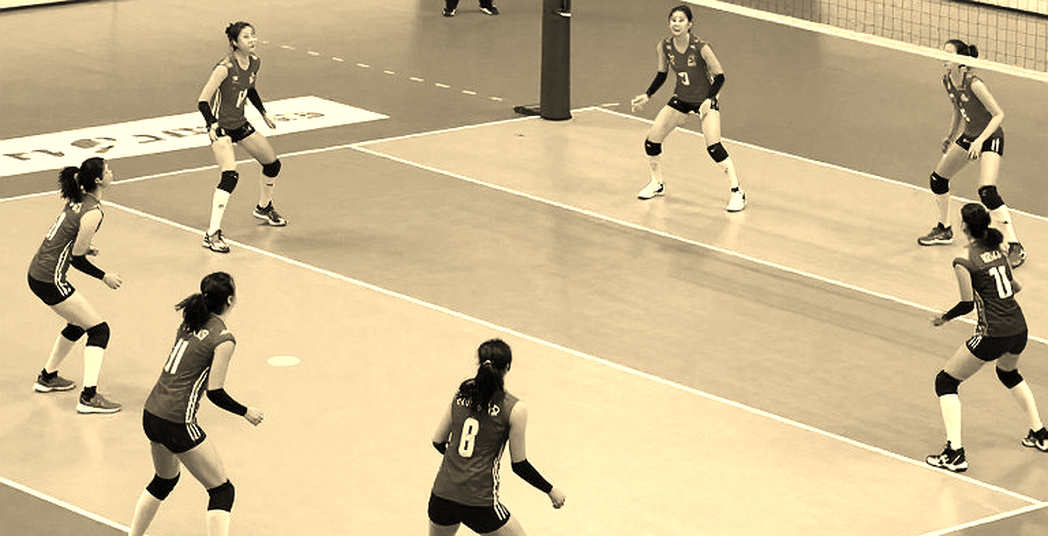
The rhythm of the sets tells a story too. Scores of 25-20, 25-23, 25-20 are not the shape of demolition. The second set was decided by two points — the narrowest margin — and it arrived exactly when the team most needed composure. This is the match pattern of a side managing variance rather than overwhelming with raw power. They won by cutting errors at the closing points of sets, not by building large gaps.
On the data, I have to be blunt. What has been published does not allow an assessment of Brazil's reception quality, blocking quality or serving quality. Their failure to drop a set all week is an indirect signal of a stable reception system and good serving pressure, but that is inference, not evidence. One match, one week, is not enough to conclude anything about structure.
Croatia did not run faster; they forgot they were allowed to stop. I once wrote that line about Croatia at the 2026 World Cup, when they played three consecutive extra-time matches and still reached the final. In Rio, Brazil showed the opposite: they did not need to extend the match, only to control the tempo. But in a team that controls tempo this well, letting one player carry nearly a third of the firepower is a sign of an unfinished system — or of an attacker operating at a different level.
What stands out on the personnel side is that the roster is in transition. A veteran captain in a fitness-dependent position like outside hitter, standing beside a young opposite who is already the number one scoring option. A generational handover happens in silence, and it is measured by who receives the ball at the closing point of a set. In Rio, that player was Darlan. The fact that Bernardinho handed a young attacker that responsibility in a final says much about internal trust — and also says Brazil have not yet found a comparable second option to share the load.
Darlan said after the match that not many people believed in them at this moment. That remark deserves more attention than its surface suggests. A team that just won 3-0, that did not drop a set all week, is positioning itself as the doubted side. It suggests the internal pressure on the Brazilian national team runs deeper than a regional title can erase.
The "Brazil are back on top" story may be told too quickly. This is a near-default championship for a side that has dominated the tournament for decades. The real news value lies in the Olympic berth — and that berth itself requires verification. In recent cycles, the South American Championship has not been a direct route to the Olympics; teams have generally qualified through world qualifying tournaments and the ranking. If a direct berth for LA 2028 is real, it is a major change to the format, enough to reshape how federations allocate resources. If not, it is imprecise wording.
And even if the berth is real, home advantage in Rio must be discounted. Brazil played on a familiar court, before a home crowd; Argentina had only to cross a border. A home win does not measure strength on neutral ground, where every crowd signal is erased and only the system remains.
It is also worth being blunt about Argentina. Vicentín scored 11 points — a low mark — but Argentina still held the second set to 23. The gap between the two sides in this region is no longer a chasm. A final defeat does not erase the fact that Argentina toppled Brazil in 2026, and their repeated runs to finals show they are closing in more than the historical record suggests.
I will rewatch the footage of this match, and I will rewatch it again when Brazil face Poland or Italy at the Volleyball Nations League. In a twelve-square-metre room, 120 races taught me to listen to my own breathing — and also taught me that a result only means something beside other results. If Darlan's share of points stays around one third across many matches, Brazil are building a cycle around one man. If it falls, they are becoming a more dangerous team. One Sunday afternoon in Rio is not enough to answer that. But it is enough to start watching.